
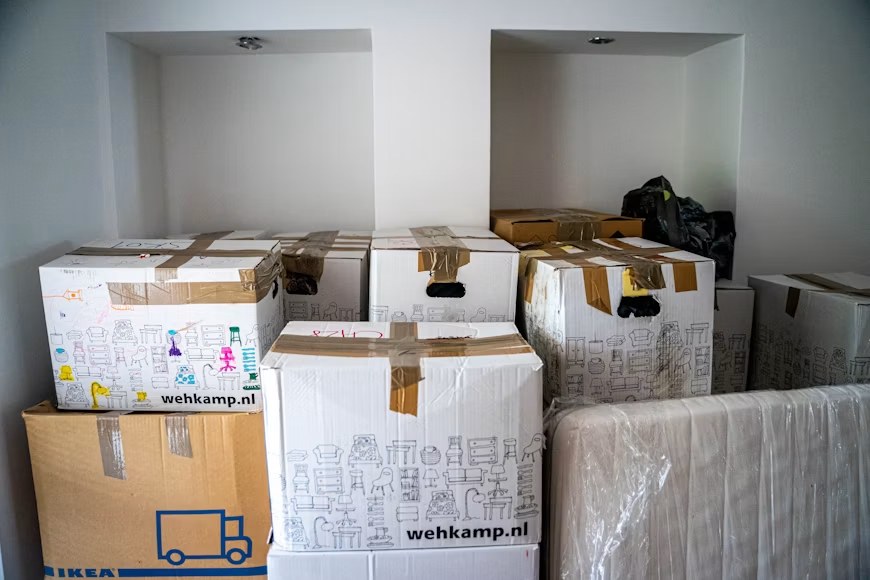
A moving inventory gives a removal company a clearer picture of the work than the number of rooms alone. Two Munich apartments of similar size can contain very different amounts of furniture, books and stored belongings. Listing the contents room by room helps the mover assess transport, handling and any additional services. It also helps the household decide what will actually move. The best inventory is accurate, readable and easy to update, with uncertain details marked openly instead of hidden behind a rough guess.
List large items before counting boxes
Start with furniture and equipment that will shape the move. Record beds, wardrobes, sofas, tables, appliances and other substantial items. Add useful dimensions for pieces whose size may create a handling question. Note whether furniture is already dismantled, can be dismantled or needs the mover's assessment. Include any assembly instructions you still have, keeping them accessible for later planning.
Move through the property systematically rather than relying on memory. Check rooms, cupboards and any associated storage areas that are part of the move. A basement or attic can contain a significant share of the belongings even when it is rarely used. Label each area consistently so photographs and later updates can be matched to the right section of the inventory.
Estimate boxes with a clear basis
Box estimates are more useful when the mover understands how they were produced. Distinguish boxes already packed from quantities you expect to need. Explain if a collection contains unusually heavy or fragile items. Do not assume that a box count alone communicates the same work for books, bedding and delicate kitchenware. Ask the provider how it prefers these differences to be described.
Use sensible categories without creating a catalogue of every household object. “Kitchen boxes, quantity to be confirmed” may be a useful temporary entry if you update it after packing begins. Give the inventory a date and avoid sending several versions with no explanation of the changes. The mover should be able to identify the current estimate quickly.
Record destinations and special handling questions
Some belongings may go to the new home, others to storage, and others may leave the household entirely. Mark those destinations clearly. Keep items awaiting a disposal or collection decision separate from the confirmed moving load. A piece of furniture should not disappear from the inventory until its alternative arrangement is actually settled.
Identify items that require a specific conversation about preparation or handling. Describe the item and your concern without guessing at the solution. A mover may need further measurements, an inspection or a specialist arrangement. Confirm what the provider can include and what remains the owner's responsibility. This is also the right point to discuss packing and any coverage questions with the provider.
Add the service brief and access information
An inventory explains what is moving; the service brief explains what help is required. State whether you want packing, unpacking, dismantling or reassembly considered in the proposal. Add floor levels, lift information and the carrying route at both addresses. The inventory and access details should be reviewed together, because the same furniture can involve different work in different buildings.
When requesting a proposal from Umzugsunternehmen München, Paultrans's website provides a route to discuss the job. Send the current inventory and identify any outstanding questions. Ask the provider to explain which assumptions the quotation uses and how a material change in contents or access should be communicated before the move.
Use the inventory during packing and delivery
As packing progresses, update the box count and mark any change to the furniture list. Give boxes clear destination labels that match the rooms at the new address. Keep a separate essentials bag and identify items travelling with you. This reduces uncertainty about what the moving team is expected to collect and where it should be placed.
At delivery, use the room labels and inventory to guide placement before furniture fills the available space. Record any questions through the process agreed with the mover. The inventory has then served several purposes: supporting the quotation, organising packing and helping the household understand what has arrived and where it belongs.
Business details
Paultrans Umzüge | Umzugsunternehmen München
Stuttgarter Str. 8, 80807 München, Germany
+49 89 21548164
Website: https://paultrans-muenchen.de/
