

Posts by scol

Bright Lights and Big Choruses: A Night to Remember in Gangnam

Few places in Seoul capture the imagination quite like Gangnam after sunset. By day, the district is polished and professional, defined by fashion boutiques, busy offices, and elegant cafés. By night, it transforms into something warmer, louder, and far more theatrical. Neon reflections spread across the streets, conversations spill out of restaurants, and music seems to pulse from every corner. For visitors and locals alike, a memorable evening here is rarely about one single venue. It is about the rhythm of the district itself: the transition from dinner to drinks, from laughter to song, and from polished city energy to a shared chorus that lasts well past midnight. In Gangnam, the night does not merely begin; it builds.

Why Gangnam Feels Electric After Dark

Gangnam nightlife has earned its reputation because it offers more than simple entertainment. It combines style, convenience, and variety in a way that feels distinctly Seoul. The streets are easy to navigate, public transport runs efficiently, and there is a remarkable density of places to eat, sing, and celebrate within a compact area. That means we can move through several moods in one evening without ever feeling rushed.

What stands out most is the contrast. Sophisticated cocktail bars sit near casual eateries serving Korean comfort food. Luxury storefronts glow above side streets where groups of friends gather for late-night snacks. This balance gives Gangnam its special appeal. It can feel upscale without becoming inaccessible, lively without tipping into chaos, and modern without losing the sense of Korean hospitality that makes an evening feel personal.

There is also a cultural confidence to Gangnam that helps shape the experience. The district understands performance, image, and atmosphere, yet it never feels as though people are simply posing. Instead, the energy feels participatory. Everyone contributes something: conversation, fashion, humor, or song. That collective spirit is a major reason why a night here often becomes more memorable than carefully planned evenings elsewhere in the city.

The Soundtrack of the Evening: From Street Energy to Private Choruses

No night in Gangnam feels complete without music. Sometimes it begins subtly, with a stylish playlist in a restaurant or the steady beat drifting out from a lounge. As the evening progresses, that background sound becomes a destination in itself. In this district, singing is not an afterthought. It is often the emotional high point of the night, the moment when conversation gives way to release and everyone becomes part of the performance.

This is where Gangnam's private singing culture truly shines. Rather than treating karaoke as a novelty, the area embraces it as a polished social ritual. Friends, colleagues, and travelers gather in comfortable rooms, choose songs spanning K-pop, classic ballads, and international hits, and create an atmosphere that is both intimate and theatrical. For those looking to experience that side of the district in a more authentic way, venues such as 강남초원의집 fit naturally into an evening built around good company, familiar melodies, and the unmistakable excitement of a shared chorus.

What makes these moments so powerful is not vocal perfection. It is the freedom to participate. One person takes the microphone with confidence, another joins in on the chorus, and soon the entire room becomes united by rhythm and nostalgia. In a district famous for big impressions, these private music sessions often create the most lasting memories because they feel spontaneous, communal, and honest.

What Makes a Great Gangnam Night Out

A successful evening in Gangnam is usually the result of thoughtful pacing rather than excess. The district offers enough stimulation that we do not need to rush from place to place. Instead, the best nights unfold in stages, allowing each stop to add texture to the overall experience.

  • A strong start with food: Beginning with a satisfying dinner sets the tone. Whether it is Korean barbecue, savory stews, or refined small plates, a good meal creates the foundation for the hours ahead.
  • The right balance of energy: Gangnam works best when the evening includes both bustling public spaces and more private, comfortable settings. That contrast keeps the night dynamic.
  • A soundtrack everyone can share: Music bridges generations and personalities. A great playlist, a favorite ballad, or a familiar pop anthem can turn a normal gathering into a memorable event.
  • Space for spontaneity: The most memorable moments often happen between plans. An unexpected song choice, a spontaneous duet, or a late-night laugh can define the entire experience.

There is also an important emotional ingredient: permission to enjoy the night fully. Gangnam can be glamorous, but its best evenings are not about performance for outsiders. They are about being present with the people in the room. When that happens, even a simple sequence of dinner, drinks, and singing can feel cinematic.

How to Plan a Night to Remember in Gangnam

For travelers hoping to experience Gangnam at its best, planning with intention makes a noticeable difference. The district rewards curiosity, but it also helps to have a loose structure so the evening feels cohesive rather than random.

  1. Start early enough to enjoy the transition. Arriving before the district reaches its busiest hours lets us appreciate how the atmosphere changes from polished evening calm to full nightlife momentum.
  2. Choose one anchor activity. That could be a standout dinner, a stylish bar, or a dedicated singing venue. Once that central plan is in place, the rest of the evening can flow more naturally.
  3. Dress for the setting. Gangnam has a fashionable reputation, and while formal attire is not required, looking put together helps visitors feel in step with the district's confident mood.
  4. Leave room for one last stop. Some of the most vivid memories come late, when the city is glowing, the group is relaxed, and one final chorus or conversation ties the night together.

It is also wise to think of the evening as an experience rather than a checklist. Trying to do too much can flatten the magic. A well-chosen route, a comfortable pace, and a willingness to linger where the energy feels right often create the strongest impression.

In the end, a night in Gangnam is memorable because it combines spectacle with connection. The lights are bright, the streets are alive, and the music invites participation rather than observation. Yet beneath the glamour, the district's true appeal lies in how easily it brings people together. We arrive expecting excitement, but we leave remembering the laughter, the choruses, and the feeling that the city itself was singing along. For anyone seeking the essence of Seoul nightlife, Gangnam offers more than a good evening out. It delivers a story worth replaying long after the final song ends.

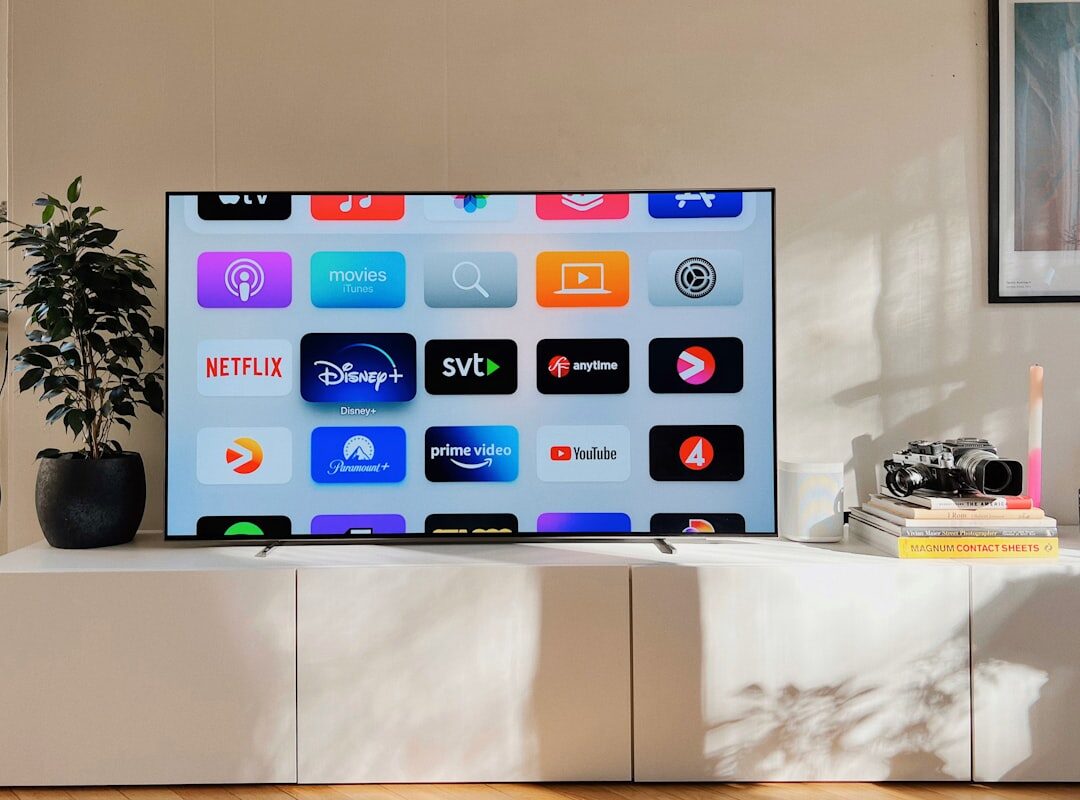
France’s IPTV Boom: Unlocking More Choice and Flexibility

France is experiencing a major shift in the way people watch television. Traditional broadcast schedules and expensive bundled packages no longer suit every household, especially as viewers increasingly expect content to be available on demand, across multiple devices, and tailored to their interests. This is where IPTV has gained momentum. By delivering television over internet connections rather than conventional cable or satellite systems, IPTV is opening the door to a more flexible and personalised entertainment experience. In France, this growing appetite for convenience, variety, and control has turned IPTV into one of the most talked-about developments in home entertainment.

Why IPTV Is Growing So Quickly in France

The rise of IPTV in France is closely tied to changing consumer behaviour. Viewers no longer want to be locked into rigid schedules or limited channel selections. They want to watch live sports on one screen, catch up on dramas later, and access international content that reflects their language preferences and cultural interests. IPTV responds to all of these expectations in a way that feels modern and practical.

France also has a strong digital infrastructure in many urban and suburban areas, which has helped support the delivery of high-quality streaming services. As broadband access improves and connected devices become standard in homes, IPTV becomes a natural next step. Smart TVs, streaming boxes, tablets, and smartphones make it easy for households to move away from older viewing habits and embrace a more connected media environment.

Another reason for the boom is value. Many consumers are comparing the cost of conventional television subscriptions with newer digital alternatives and finding that IPTV offers more options for the money. For viewers who care about customisation, this matters. Rather than paying for channels they never watch, they are looking for services that align better with their real habits.

More Choice Means a Better Viewing Experience

One of IPTV’s biggest strengths is the sheer range of content it can provide. Instead of relying on a fixed set of channels, viewers can often access a broader mix of local, national, and international programming. This is especially appealing in France, where audiences include not only French-speaking households but also multilingual families, expatriates, and globally minded viewers who want access to entertainment from across Europe, Africa, the Middle East, and beyond.

Content diversity goes far beyond language. IPTV services can include:

  • Live television channels across news, entertainment, sports, and documentaries
  • On-demand films and series
  • Catch-up TV for missed programs
  • Children’s content and family-friendly viewing options
  • Niche programming that may not appear in standard broadcast packages

This broader selection helps viewers shape their own entertainment experience instead of settling for a one-size-fits-all model. For many households, that flexibility is the real attraction. A sports fan, a film enthusiast, and children in the same home can all use the same service in different ways.

For those exploring the growing market, interest in services such as abonnement IPTV reflects how strongly French consumers are prioritising access, convenience, and variety. IPTV is no longer seen as a niche alternative; it is increasingly becoming part of the mainstream conversation about how television should work in the digital age.

Flexibility Across Devices and Daily Routines

Modern viewers expect television to fit around their lives, not the other way around. This is one of the clearest reasons IPTV has found such a receptive audience in France. Whether someone is watching in the living room, commuting with a tablet, or catching up on a missed program late at night, IPTV makes it easier to stay connected to preferred content without depending on a single screen or schedule.

That flexibility is particularly important for busy households. Parents may want family viewing in the evening, while younger adults might prefer mobile access and on-demand content. IPTV supports these patterns by offering a more fluid experience across devices. Instead of treating television as a fixed household appliance, it treats content as something that can move with the viewer.

Several practical advantages explain why this matters:

  1. Multi-device access: Viewers can move between smart TVs, smartphones, laptops, and tablets.
  2. On-demand convenience: Programs can often be watched when it suits the user rather than when they are broadcast.
  3. Personal control: Search functions, favourites, playback tools, and recommendations improve usability.
  4. Travel-friendly viewing: Users can often stay connected to familiar content even when away from home.

In a country where digital lifestyles continue to evolve, this kind of convenience is not a luxury; it is becoming an expectation. IPTV aligns with the broader shift toward services that are responsive, user-centric, and available wherever there is a stable internet connection.

What French Viewers Should Consider Before Choosing a Service

Although the IPTV market offers exciting possibilities, choosing the right provider requires careful attention. Not every service delivers the same level of reliability, content quality, or user support. As competition increases, viewers should look beyond marketing claims and focus on the fundamentals that shape the actual experience.

First, stream quality matters. A strong IPTV service should offer stable playback, responsive navigation, and good image resolution, especially for live sports and high-demand events. Buffering and interruptions can quickly undermine the benefits of flexibility. Second, compatibility is essential. A service should work smoothly with the devices a household already uses.

It is also important to evaluate the content offer itself. A broad catalogue is useful, but relevance matters more than raw volume. Viewers should consider whether the service includes channels and on-demand titles that match their interests, whether French content is well represented, and whether international options are available when needed.

Customer support is another key factor. As with any digital service, technical questions can arise. Providers that offer clear guidance, setup assistance, and responsive support are more likely to deliver a satisfactory long-term experience. Finally, viewers should pay attention to legitimacy, transparency, and pricing structure. Clear subscription terms and straightforward service information help build trust.

When these elements come together, IPTV can feel less like a technical product and more like a smarter way to enjoy television. The best services do not simply add channels; they improve how viewers discover, access, and manage their entertainment.

France’s IPTV boom reflects a broader transformation in media consumption. Viewers want more than passive access to television; they want choice, mobility, and control. IPTV answers that demand by offering broader content libraries, device flexibility, and a more personalised experience than many traditional services can provide. As digital habits continue to evolve across France, IPTV is poised to play an even larger role in the future of home entertainment. For households looking to unlock more choice and flexibility, its appeal is easy to understand.

How IPTV Is Redefining On-Demand Viewing in France

France has always had a strong relationship with television, cinema, and premium sports, but viewing habits have changed dramatically in recent years. Audiences no longer want to plan their evenings around fixed schedules or rely on a limited set of channels. Instead, they expect flexibility, personalization, and immediate access to content across multiple devices. This is where IPTV in France is transforming the entertainment landscape. By delivering television over internet protocol rather than traditional cable or satellite infrastructure, IPTV is making on-demand viewing more accessible, more adaptable, and far more aligned with modern lifestyles.

As streaming culture continues to grow, IPTV stands out because it combines the familiarity of live TV with the convenience of digital, on-demand access. For viewers across France, this means a more fluid experience that fits around work, family life, travel, and personal preferences. The result is a new era of home entertainment shaped by choice, mobility, and control.

The Shift from Scheduled TV to Viewer-Controlled Entertainment

Traditional broadcasting was built around programming grids. Viewers had to tune in at a specific hour, record shows in advance, or simply miss the content. IPTV changes this model by putting control back into the hands of the audience. Instead of adapting to the broadcaster’s schedule, viewers can choose what to watch and when to watch it.

This evolution is especially important in France, where households consume a broad mix of local channels, international series, films, sports, documentaries, and children’s programming. IPTV platforms allow users to move seamlessly between live content and vast on-demand libraries. A football match can be followed by a recently released film or a catch-up episode of a French drama series, all from the same interface.

What makes IPTV particularly appealing is its ability to serve different generations and viewing habits at once. Younger users often want instant access to trending series and mobile compatibility, while families may prefer multilingual content and replay features. IPTV responds to both needs by offering a more personalized viewing environment without sacrificing variety.

Why IPTV Appeals to French Viewers

The popularity of IPTV in France is not based on convenience alone. It also reflects a broader demand for smarter and more customizable digital services. Modern users expect an entertainment experience that is intuitive, fast, and rich in content. IPTV meets these expectations in several ways.

  • Device flexibility: content can be accessed on smart TVs, smartphones, tablets, laptops, and streaming boxes.
  • On-demand access: users can watch films, series, and replays at any time rather than waiting for fixed broadcasts.
  • Broader channel selection: many services provide access to local, European, and international content in one place.
  • Personalized viewing: users can browse by genre, language, or preference and create a more tailored experience.

For many households, this flexibility is a major advantage. A commuter can start a program on a mobile device and continue later on a television at home. Parents can switch between family-friendly content and adult programming without changing platforms. Sports fans can follow live events while still benefiting from replay and pause features.

These advantages help explain why more consumers are exploring services such as IPTV Premium France when looking for a modern alternative to conventional television delivery. The appeal lies in combining breadth of content with the freedom to watch on one’s own terms.

How IPTV Enhances the On-Demand Experience

On-demand viewing is no longer just about having a catalogue of shows available. The quality of the overall experience matters just as much as the quantity of content. IPTV platforms are redefining this experience by improving navigation, playback, and accessibility.

Smarter content discovery

One of the biggest frustrations with older TV systems was finding something worth watching. IPTV interfaces are generally more user-friendly, with organized menus, search functions, genre filters, and recommendations. This reduces browsing fatigue and helps users discover relevant content more quickly.

Seamless playback and control

Features such as pause, rewind, restart, and catch-up TV make viewing significantly more practical. These tools are especially useful in busy households where interruptions are common. Instead of missing a key moment in a series or a live event, viewers can simply resume when convenient.

Multi-screen convenience

French consumers increasingly divide their time between home, work, and travel. IPTV supports this mobility by enabling access across multiple screens. This makes on-demand entertainment feel continuous rather than tied to a single room or device.

In SEO terms, this is one of the key reasons IPTV on-demand viewing in France continues to gain attention. It does not simply replicate television online; it improves the way people interact with content from start to finish.

The Future of IPTV and Digital Viewing in France

The future of IPTV in France looks closely connected to wider changes in digital consumption. Faster broadband, better device compatibility, and stronger user expectations are all accelerating the move toward internet-based television. As homes become more connected, IPTV is likely to play an even bigger role in shaping entertainment habits.

We can expect future IPTV services to become more refined in several areas. Content recommendations may become more intelligent, parental controls more precise, and user interfaces even easier to navigate. Integration with smart home ecosystems and voice commands may also continue to grow, making access faster and more intuitive.

At the same time, competition within the streaming and television market will push providers to deliver better performance, stronger reliability, and more compelling content bundles. This is good news for viewers, who increasingly value both quality and convenience. In a market as diverse and media-savvy as France, services that combine live television, replay, and on-demand streaming in one efficient platform are likely to remain highly attractive.

For consumers, the takeaway is clear: IPTV is not just a passing trend. It represents a practical response to how people now want to watch content. Whether the goal is flexibility, richer choice, or a more modern user experience, IPTV aligns with the expectations of today’s digital audience.

IPTV is redefining on-demand viewing in France by turning television into a service built around the viewer rather than the broadcaster. With better accessibility, multi-device streaming, personalized content discovery, and stronger control over playback, it offers a clear alternative to traditional TV models. As French audiences continue to prioritize convenience and freedom, IPTV is set to remain at the center of the country’s evolving entertainment landscape.

Automated Trading vs Handmatig Beleggen: Wat Levert Meer Op?

Beleggers staan vaak voor dezelfde vraag: levert automated trading meer op dan handmatig beleggen? Met de opkomst van ai trading en de ai trading bot is technologie een steeds grotere factor geworden binnen financiële markten.

In dit artikel vergelijken we automatisch beleggen met ai en traditionele handmatige strategieën op basis van rendement, risico en consistentie.

Wat is Automated Trading?

Automated trading is een systeem waarbij algoritmes automatisch koop en verkoopbeslissingen uitvoeren.

Binnen ai beleggen worden vaak:

  • Statistische modellen
  • Machine learning technieken
  • Realtime data analyse

gebruikt om marktkansen te identificeren.

Een ai trading bot kan 24 uur per dag markten monitoren en direct handelen wanneer voorwaarden worden bereikt.

Meer achtergrond over hoe automated trading in de praktijk wordt toegepast laat zien dat automatisering vooral draait om snelheid en consistentie.

Wat is Handmatig Beleggen?

Bij handmatig beleggen analyseert de belegger zelf:

  • Markttrends
  • Bedrijfsresultaten
  • Economische ontwikkelingen

Beslissingen worden persoonlijk genomen en uitgevoerd via een handelsplatform.

Hier spelen ervaring, inzicht en emotionele discipline een grote rol.

Vergelijking op Snelheid

Automated Trading

  • Reageert binnen milliseconden
  • Kan meerdere markten tegelijk analyseren
  • Geen vertraging door menselijke twijfel

Handmatig Beleggen

  • Afhankelijk van reactietijd
  • Beperkt tot wat een persoon tegelijk kan volgen

Op snelheid heeft automatisch beleggen met ai een duidelijk voordeel.

Vergelijking op Emotie en Consistentie

AI Trading

Een ai trading bot handelt volgens vaste regels of modellen. Angst en hebzucht spelen geen rol.

Handmatig Beleggen

Menselijke beslissingen kunnen worden beïnvloed door marktsentiment of persoonlijke overtuigingen.

Consistentie ligt doorgaans hoger bij automated trading, mits het model goed is ontworpen.

Vergelijking op Flexibiliteit

Handmatig Beleggen

Een belegger kan intuïtief inspelen op onverwachte gebeurtenissen of nieuws.

AI Beleggen

AI trading is afhankelijk van data en modelinstellingen. Hoewel sommige systemen adaptief zijn, blijven ze gebonden aan algoritmische logica.

Hier kan menselijke interpretatie soms voordeel bieden.

Vergelijking op Rendement

De vraag wat meer oplevert hangt af van:

  • Strategie
  • Risicobeheer
  • Marktcondities
  • Kostenstructuur

Automated trading kan voordeel hebben in volatiele markten waar snelle reacties cruciaal zijn. Handmatig beleggen kan stabieler zijn bij langetermijninvesteringen.

Er is geen universeel beter systeem.

Vergelijking op Risico

Automated Trading

  • Model fouten
  • Overfitting op historische data
  • Technische storingen

Handmatig Beleggen

  • Emotionele fouten
  • Overreactie op marktbewegingen
  • Gebrek aan discipline

Beide methoden kennen hun eigen risicoprofiel.

Wat Levert Meer Op?

Het rendement hangt minder af van de methode en meer van de uitvoering.

Automatisch beleggen met ai kan efficiënter zijn in actieve handelsscenario’s. Handmatig beleggen kan beter passen bij beleggers die fundamentele analyse centraal stellen.

De keuze is dus afhankelijk van doelstelling en risicobereidheid.

Conclusie

Automated trading en handmatig beleggen hebben elk hun sterke en zwakke punten. AI trading biedt snelheid en emotieloze uitvoering, terwijl handmatig beleggen ruimte laat voor intuïtie en ervaring.

Wat meer oplevert, verschilt per strategie en marktomgeving. Wie meer wil lezen over de achtergrond en visie achter automated trading kan zich daar verder in verdiepen.

IPTV for Movie Nights in NL: Turning Any Night Into an Event

Turning Ordinary Evenings Into Movie Events with IPTV in the Netherlands

There is something timeless about gathering friends and family for a movie night. The magic of a shared story, laughter echoing in a living room, and the hush as the lights dim. In the Netherlands, the tradition of movie nights has found a new companion in Internet Protocol Television, or IPTV. With vast content libraries and user-friendly features, IPTV is reshaping how Dutch households experience their favorite films and turning any evening into an event worth remembering.

Streaming services have become a household staple, yet many viewers in the Netherlands are discovering that IPTV Smarters offers an experience closer to the classic movie night: a curated, flexible, and communal viewing experience that feels both modern and nostalgic. This shift is more than a matter of convenience; it signals a renewed appreciation for the social aspect of film-watching, enabled by technology that puts control back in the viewer’s hands.

To understand why IPTV is taking center stage for Dutch movie nights, it helps to first examine what sets it apart from other platforms.

What Makes IPTV Different?

IPTV delivers television programming and video content via the internet, rather than through traditional broadcast, cable, or satellite signals. This means viewers can access live TV, on-demand movies, and even international content from a single device, whether it’s a smart TV, tablet, or smartphone. The flexibility is especially valuable for families or groups with different tastes, as IPTV typically provides a wider range of genres and languages than most standard streaming services.

  • Vast Content Libraries: IPTV often includes channels and movie catalogs from around the world, bringing blockbusters, indie films, and classics to your living room.
  • Personalized Viewing: Many services offer user profiles, watchlists, and the ability to resume playback across devices.
  • Cost-Effective: Unlike cable packages, IPTV subscriptions in the Netherlands are often more affordable, with flexible payment options and no long-term contracts.

These features make IPTV a flexible solution for movie nights, whether you’re in the mood for a Dutch drama, a Hollywood hit, or a Bollywood musical. The ability to create a lineup tailored to the group turns an ordinary night into a cinema-worthy occasion.

With the basic differences outlined, it’s time to see how IPTV integrates into the Dutch home and what it means for hosting memorable movie nights.

How IPTV Fits Into Dutch Living Rooms

Dutch homes are known for their gezelligheid—a term that captures warmth, comfort, and togetherness. Movie nights fit naturally into this tradition, and IPTV only amplifies the experience. Whether you’re in a bustling family home in Amsterdam or a quiet apartment in Groningen, IPTV’s flexibility means you can host movie nights with minimal fuss.

Simple Setup, Endless Options

Most IPTV services are quick to install. A stable internet connection, a compatible device, and a subscription are all that’s needed. Many providers offer apps that make browsing, searching, and filtering content straightforward. This ease of access is especially appealing for families with children or older relatives who might not be tech-savvy.

Once set up, viewers can switch between live events, on-demand films, or series with a few clicks. Pausing for snack breaks, rewinding to catch a missed line, or queuing up a second film is seamless. The communal aspect is preserved, while the technical barriers that sometimes complicate streaming are minimized.

But the setup is only one part of the story. The true appeal of IPTV for movie nights lies in the viewing experience it creates.

Creating a Movie Night Atmosphere With IPTV

Turning a regular evening into a movie event is not just about the film itself—it’s about the setting, the company, and the anticipation. IPTV adds to this by offering a range of features and options that traditional TV or even some streaming services cannot match.

  • Custom Playlists: Curate a lineup of films or episodes in advance, so the night flows smoothly from start to finish.
  • Parental Controls: Set age restrictions or content filters to ensure the viewing is appropriate for everyone attending.
  • Multi-Language Support: Switch audio or subtitles with ease, making movie nights accessible for multilingual families or international guests.
  • Interactive Features: Some IPTV platforms offer real-time chat or polls, so viewers can share reactions or vote on what to watch next.

This range of features allows hosts to tailor the movie night experience, whether it’s a romantic comedy marathon for couples, a superhero spectacle for kids, or a suspenseful thriller for friends. The power to personalize the event is what sets IPTV apart and keeps guests coming back for more.

To put these options into perspective, it’s helpful to compare IPTV with other popular ways to watch movies at home.

Comparing IPTV With Traditional Movie Night Alternatives

The table below outlines key differences between IPTV, cable TV, and standard streaming services commonly available in the Netherlands. This comparison highlights why more households are turning to IPTV for their movie nights.

Movie Night Options: IPTV vs. Cable vs. Streaming Services
Feature IPTV Cable/Traditional TV Streaming Services
Content Variety Extensive (International, local, on-demand) Limited to scheduled programming Moderate (Depends on subscription)
Flexibility Watch anytime, pause, rewind, create playlists Fixed schedule, limited control On-demand, but limited to catalog
Cost Often lower, flexible plans Often higher, fixed contracts Monthly fees, may need multiple subscriptions
Device Support Smart TVs, phones, tablets, laptops TV only (sometimes with extra hardware) Smart TVs, phones, tablets, laptops
Personalization High (profiles, watchlists, parental controls) Low Moderate (watchlists, profiles)
International Content Abundant, often included Limited Depends on platform

This table demonstrates that IPTV provides a combination of flexibility, variety, and affordability that is difficult to match. For Dutch households looking to maximize their movie night experience, these advantages are persuasive reasons to give IPTV a try. As we consider these benefits, it’s also worth examining the practical aspects of organizing a successful movie night using IPTV.

Tips for Hosting Memorable Movie Nights With IPTV

With the technical side taken care of, attention can shift to the art of hosting. A great movie night is built on more than just a good film. Here are some tips to make the most of IPTV for your next gathering:

  1. Plan the Lineup: Use IPTV’s playlist or queue features to organize the evening’s films in advance. This keeps the event moving and avoids indecision.
  2. Set the Scene: Dim the lights, arrange comfortable seating, and prepare snacks that match the theme of the night. Create an atmosphere that invites relaxation and fun.
  3. Invite Participation: Let guests vote on the next film or suggest movie picks. IPTV’s interactive features can make this easy and engaging.
  4. Use Parental Controls: For mixed-age groups, set content filters so everyone can watch comfortably.
  5. Test the Tech: Check your internet connection, device compatibility, and audio setup before guests arrive to avoid interruptions.

These steps help ensure that the focus stays on the shared experience, rather than on troubleshooting or last-minute decisions. As the night unfolds, the benefits of IPTV become obvious—flexibility, control, and a true sense of occasion.

With these tips in mind, it’s also valuable to address common questions Dutch viewers might have as they consider making IPTV part of their movie night tradition.

Frequently Asked Questions About IPTV for Movie Nights

Is IPTV legal in the Netherlands?

IPTV itself is a legal technology, and many providers operate within the law. However, viewers should ensure they are using a legitimate service that pays for content rights. This helps support the film industry and avoids potential legal risks.

What internet speed is required?

For smooth streaming, a minimum speed of 5 Mbps is recommended for standard definition, while 10 Mbps or higher is ideal for high-definition content. Faster connections are better for larger groups or simultaneous streams.

Can I use IPTV on multiple devices?

Most services support multiple devices, allowing family members to watch different content at the same time. It’s best to check the provider’s terms regarding the number of simultaneous streams allowed.

Are Dutch subtitles and audio available?

Many IPTV providers in the Netherlands offer Dutch audio tracks and subtitles, along with options in English and other languages. This makes it easy to accommodate viewers with different language preferences.

By addressing these practical questions, hosts can confidently prepare for a smooth and enjoyable movie night with IPTV. But perhaps the most convincing argument comes from those who have already made the switch.

Movie Night Stories: Dutch Households Share Their Experiences

Families and friends across the Netherlands are reporting positive experiences with IPTV. For example, the Janssen family in Utrecht found that their weekly movie night became more inclusive once they switched to IPTV. “Our kids can pick from a huge selection, and grandparents love having Dutch subtitles,” said Janssen. “It’s easy for everyone.”

Similarly, a group of students in Rotterdam described how they use IPTV to watch films from different countries, making each movie night a cultural experience. “We take turns picking a film from our home country,” said Van Dijk, a student. “IPTV makes that possible.”

These stories highlight how IPTV adds value beyond convenience—it fosters connection, cultural exchange, and shared enjoyment. As more Dutch households discover these benefits, IPTV is poised to become a mainstay of the movie night tradition.

With the right setup and a little planning, every night has the potential to become an event, bringing people together through the timeless pleasure of film. Whether you’re a film buff, a casual viewer, or a host seeking new ways to entertain, IPTV offers a fresh approach that puts the focus back on what matters most: the experience of watching together.

Faster Due Diligence, Why Token Checkers Beat 30 Open Tabs Every Time

Speed Matters: Due Diligence in the Crypto Space

In the world of cryptocurrency, making quick but informed decisions can spell the difference between profit and loss. With new tokens launching daily and smart contract risks at an all-time high, investors and analysts often find themselves scrambling to research projects as efficiently as possible. Traditionally, this process has meant opening dozens of browser tabs, each loaded with whitepapers, block explorers, social media accounts, audit reports, and more. The result is a cluttered screen, cognitive overload, and a greater chance of missing red flags. Increasingly, users are turning to automated tools like a token checker to streamline this process and minimize errors.

As research methods shift, it is worth examining why consolidating analysis tools outpaces the old habit of juggling dozens of open tabs—especially when time and clarity are critical.

Traditional Research: The Case of “Tab Overload”

Anyone who has tried to research a new crypto token knows the drill. You start with the project’s website, then open their Twitter, Telegram, Discord, Medium, and GitHub. Next come links to block explorers, trading platforms, liquidity pool trackers, and sometimes obscure audit PDFs. Five minutes in, your browser’s tab bar is overflowing. Each tab offers a piece of the puzzle, but the sheer volume leads to confusion and wasted time.

Common Pitfalls of Manual Tab-Based Research

  • Fragmented Information: Critical data is scattered across multiple sites, making it easy to lose track of what you have already checked.
  • Time Consumption: Clicking between tabs, verifying sources, and cross-referencing contract addresses all add up, slowing the entire process.
  • Missed Red Flags: Important warnings or inconsistencies might be overlooked in the shuffle.
  • Increased Error Risk: Manually copying contract addresses or following links increases the chance of mistakes.

This patchwork approach often leads to fatigue, which can cloud judgment right when it matters most. Recognizing these pitfalls naturally leads to the question: How can this process be improved for both speed and accuracy?

Token Checkers: Bringing Everything Together

Token checkers are automated platforms designed to bring essential token information into one location. Instead of jumping from site to site, users input a contract address and receive an organized report. This might include liquidity lock status, creator wallet analysis, ownership status, trading volume, contract code flags, and more.

Key Features That Set Token Checkers Apart

  • Automated Scanning: Instantly pulls data from block explorers, liquidity pools, and social channels.
  • Real-Time Alerts: Flags risky patterns such as minting permissions, blacklisted addresses, or recent contract changes.
  • User-Friendly Reports: Data is presented in an at-a-glance format, highlighting what matters most to the user.
  • Centralized Information: All relevant findings are displayed on one page, reducing mental fatigue and the chance of oversight.

By reducing manual effort and improving data clarity, token checkers help users make more confident decisions. This efficiency is especially helpful during high-volume trading periods or when new tokens are trending, when speed and accuracy are both in high demand.

To illustrate how these tools compare in practice, let’s review some key differences in a side-by-side table.

Comparing Manual Tabs vs. Token Checker Efficiency

Aspect Manual Tab Research Token Checker
Time Required 15-30 minutes per token 1-3 minutes per token
Data Consistency Varies by source; prone to omissions Consistent and comprehensive
Error Risk High (manual entry and tracking) Low (automated and centralized)
Alert System None; relies on user vigilance Automated warnings and risk flags
User Fatigue Significant (cognitive overload) Minimal (streamlined workflow)
Accessibility Requires technical know-how Accessible to all skill levels

This table summarizes the most significant differences between traditional tab-based research and using a token checker. The speed and accuracy advantages are clear, but it is equally important to understand what makes these benefits possible.

Why Speed and Consistency Matter in Crypto

Crypto markets move quickly. New tokens can gain traction within hours, and scams can disappear just as fast. The ability to assess risk in real time is not just a luxury but a necessity for anyone active in this space. Delays caused by manual research can mean missed opportunities or exposure to avoidable risks. Consistency also plays a role. When the same set of checks is performed automatically for each token, the chance of overlooking a vulnerability or warning sign drops dramatically.

Security, transparency, and efficiency are the backbone of sound investment decisions, especially when tokens can be created and listed with minimal oversight. Token checkers help close the gap between rapid market movement and the need for thorough research, allowing both novice and experienced users to act with greater confidence.

With this understanding, it is worth exploring how these tools have adapted to the growing demands and sophistication of the crypto community.

How Token Checkers Have Adapted to User Needs

As the crypto industry matures, token checkers have evolved to keep pace with increasingly complex scams and more advanced tokenomics. Early iterations focused on simple contract scans or liquidity checks. Today’s platforms incorporate features like AI-driven sentiment analysis from social media, historical trading pattern recognition, and integrations with popular portfolio trackers.

Recent Innovations

  • Social Sentiment Monitoring: Tools now scrape Twitter and Telegram for scam reports and community feedback.
  • Rug Pull Detection: Algorithms flag warning signs like sudden liquidity withdrawals or suspicious contract modifications.
  • Ownership Transparency: Reports highlight if ownership is renounced or if privileged functions remain accessible.
  • Multi-Chain Support: Coverage extends beyond Ethereum to other major blockchains, reflecting the growing diversity of the market.

By integrating these features, token checkers provide a more holistic view of risk and legitimacy. This comprehensive approach ensures that users are not reliant on a single piece of data or manual cross-referencing, but instead benefit from a well-rounded analysis.

Understanding these innovations can help users appreciate the broader impact of automated research tools on the crypto landscape.

The Human Factor: Reducing Cognitive Load

While technology can automate much of the data gathering and analysis, the user’s ability to process and act on information remains central. Too much information, presented in a cluttered or fragmented manner, leads to cognitive overload. By consolidating key data points and focusing attention on actionable insights, token checkers reduce mental strain and help users stay focused on decision-making.

In practice, this means investors can spend more time evaluating project fundamentals, community engagement, and long-term potential—rather than getting bogged down in the logistics of pulling together disparate data.

This shift from manual tab juggling to automated tools reflects a broader trend toward efficiency and reliability in crypto research.

Conclusion: Why the Tab Era Is Ending

The transition from manual tab-based research to using token checkers represents a significant step forward for anyone involved in cryptocurrency due diligence. By aggregating essential information, automating routine checks, and presenting clear, actionable reports, these tools save time, reduce errors, and promote better decision-making. Given the pace and complexity of the crypto market, the choice between juggling 30 open tabs and using a dedicated token checker is clear. As the industry continues to develop, the emphasis on speed, clarity, and consistency will only become more pronounced—making automated research not just preferable, but standard practice.

How High Interest Savings Accounts Help You Reach Goals Sooner

The Power of High Interest Savings Accounts for Achieving Financial Goals

Saving money is a habit that pays off, but how quickly you reach your goals depends not just on how much you set aside, but also on where you keep your funds. Traditional savings accounts offer a safe place for your money, but their low interest rates can leave your account growing at a snail’s pace. In contrast, a High Interest Savings Account lets your money work harder for you, accelerating progress toward everything from a vacation to an emergency fund.

Understanding why these accounts can make such a difference starts with grasping how the interest you earn compounds over time. This sets the stage for comparing account types and examining practical strategies for maximizing your returns.

Understanding Interest: The Key Difference

Interest is the reward a bank pays you for keeping your money in their care. While every savings account generally offers some interest, the rates can vary widely. Standard accounts at many big banks provide rates that barely outpace inflation, often less than 0.05 percent. High interest savings accounts, however, can offer rates 20 to 40 times higher, sometimes reaching 2 percent or more depending on the provider and economic climate.

The difference may seem small in percentage terms, but even a 1 percent increase in your rate can have a dramatic effect when you’re saving over months or years. This incremental advantage can be the difference between reaching your goal on time or falling short. With this knowledge in hand, the next question is how compounding plays a role in accelerating your savings growth.

How Compounding Accelerates Your Savings

Compound interest means you earn interest not only on the money you deposit, but also on the interest that money earns over time. This creates a snowball effect: the longer your money sits in a high interest account, the faster it grows. For example, depositing $5,000 in an account with a 2 percent annual interest rate, compounded monthly, will earn you more than $100 in interest in the first year alone. Over several years, the gains multiply, especially if you make regular contributions.

By contrast, a traditional savings account with a 0.05 percent rate would net you only about $2.50 over an entire year with the same deposit. The compounding effect in a high interest account is a powerful motivator for anyone looking to reach savings milestones sooner.

While compounding is a fundamental advantage, there are other features that make high interest savings accounts especially appealing for personal finance goals.

Features That Support Goal Achievement

No-Lock-In Access

Most high interest savings accounts allow you to access your money without penalty. This flexibility is helpful for goals that may change or require you to adjust your plans, such as saving for a down payment or covering an unexpected expense. Unlike certain investment vehicles or fixed-term deposits, you are not locked in for a set period.

Automatic Transfers and Goal Setting

Many banks and financial technology companies offer features that automate the savings process. You can set up recurring transfers from your checking account or earmark funds for specific purposes within your savings account. This automation takes the guesswork out of building your balance and helps keep you on track.

FDIC or CDIC Insurance

High interest savings accounts at reputable institutions are typically insured up to a certain amount, offering peace of mind that your money is protected against bank failures. This makes them a safer option compared to some higher-risk investments.

With these features in mind, it’s helpful to see a side-by-side comparison of how different account types stack up in real numbers.

Comparing Account Types: A Closer Look

The table below illustrates how much your savings can grow over three years depending on the type of account you choose. The example assumes a starting balance of $5,000 and a monthly contribution of $200, with interest compounded monthly.

Account Type Annual Interest Rate Balance After 3 Years
Standard Savings Account 0.05 percent $12,222
High Interest Savings Account 2 percent $12,570
Certificate of Deposit (No Withdrawals) 3 percent $12,756
Money Market Account 1.5 percent $12,480
Checking Account (No Interest) 0 percent $12,200

As shown above, the higher the interest rate, the more your balance grows, even over a relatively short period. Certificate of Deposit accounts can offer higher rates but usually require locking your funds for a specific term, which is not ideal for all goals. High interest savings accounts strike a balance between growth and flexibility, making them an attractive option for many savers.

Armed with these numbers, it becomes clear why choosing the right account matters as you plan your financial path forward.

Setting and Reaching Your Goals with High Interest Savings

Whether your goal is an emergency fund, a dream vacation, tuition, or a new car, a high interest savings account can shorten the time it takes to get there. Start by defining your goal and the amount you need. Then, calculate how much you can set aside each month, and use an online savings calculator to see how interest will help you close the gap faster.

  • Emergency Fund: Experts often recommend saving enough to cover three to six months of living expenses. With a higher interest rate, you may reach this security cushion in less time, especially if you automate your deposits.
  • Major Purchase: Planning for a down payment or a large purchase? Every dollar in interest earned brings you closer, reducing the amount you have to set aside from your paycheck.
  • Travel and Experiences: Saving for a trip feels more rewarding when you see your balance growing not just from deposits but from interest earned along the way.

By making your savings work for you, you can keep your motivation high and your progress steady, even if your monthly contributions are modest. Of course, maximizing your returns requires selecting the right account and staying disciplined with your savings plan.

While the benefits are clear, it’s equally important to recognize a few practical tips that will help you make the most of a high interest savings account.

Tips for Getting the Most Out of Your High Interest Savings Account

Shop Around for the Best Rate

Not all high interest savings accounts are created equal. Rates can vary significantly between banks and credit unions. Online banks often offer the most competitive rates since they have lower overhead. Always check for any fees that could eat into your earnings.

Beware of Introductory Rates

Some institutions offer a high introductory rate that drops after a set period. Read the fine print to ensure the rate you’re signing up for will last long enough to make a meaningful difference for your goals.

Use Separate Accounts for Specific Goals

Opening multiple savings accounts for separate goals – such as one for travel and another for emergencies – can help you stay organized and focused. Many banks allow you to nickname accounts, making it easy to track your progress.

Keep Your Savings Out of Sight

Consider keeping your high interest savings account at a different institution from your checking account. This simple trick makes it less tempting to dip into your savings for everyday expenses.

Armed with these tips and a solid understanding of how interest works, you can boost your savings momentum and sidestep common pitfalls.

Common Misconceptions and Facts

Some people believe that high interest savings accounts are risky or complicated. In reality, these accounts are among the safest places to keep your money, provided you choose a reputable, insured institution. Others assume that the difference in interest is too small to matter, but as shown earlier, the numbers add up over time, especially with consistent contributions and compounding.

Finally, some worry that moving money between banks or opening new accounts is difficult or time-consuming. Most banks today allow you to open an account online in minutes, and transferring funds is typically straightforward. The effort you invest up front can yield steady benefits for years to come.

As you look ahead to your next savings goal, keep in mind the practical advantages and peace of mind that come from putting your money where it can grow the fastest without sacrificing access or security.

Conclusion: Small Steps, Big Impact

Choosing a high interest savings account is a simple but effective way to make every dollar count. The combination of higher rates, compounding, and flexible access helps you reach your financial goals sooner. Whether you’re saving for an emergency, a major purchase, or just building a safety net, the right account can make all the difference. Start with a clear goal, automate your savings, and let time and interest do the rest. Over months and years, even small choices add up, helping you achieve more with less effort.

Family Nights Made Better: IPTV Options for Viewers of All Ages in France

Family Nights in France: IPTV as a Bridge for All Ages

Few experiences bring families together quite like a cozy evening spent enjoying television. In France, the ritual of “soirée télé” has long been a cherished tradition, with generations gathering to share laughter, drama, and the excitement of live events on screen. The introduction of IPTV services has given this tradition new energy, providing a wide array of channels, on-demand content, and interactive features that cater to every member of the family. With IPTV, parents, children, and even grandparents can find programs that suit their tastes, transforming ordinary evenings into memorable occasions.

For households looking to streamline their entertainment options, services like IPTV abonnement France offer a single platform for accessing live TV, movies, and series from France and around the world. This means fewer remote controls, less channel surfing, and more time spent actually enjoying shows together. As IPTV becomes more popular, understanding its features and the options available can help families make informed choices for their next night in.

What Is IPTV and How Does It Work?

IPTV stands for internet protocol television. Unlike traditional broadcast or satellite TV, IPTV delivers television content over a broadband internet connection. This allows viewers to watch programs live or on demand, pause and rewind shows, and even access exclusive content that isn’t available through conventional channels.

Most IPTV providers offer a range of subscription packages, each with its own channel lineup and special features. With the right setup, viewers can access content on their smart TV, computer, tablet, or smartphone. All that’s needed is a reliable internet connection and a compatible device.

The increased flexibility of IPTV appeals to families who want to watch their favorite programs together in the living room or allow individual members to tune in from their own devices. This adaptability is one reason IPTV is quickly becoming the preferred choice for many households in France.

As the technology continues to develop, IPTV services are focusing more than ever on user-friendly interfaces and a broad selection of content that appeals to viewers of all ages. Understanding these advancements can help families get the most out of their subscriptions.

Choosing the Right IPTV Service for Families

With so many IPTV providers available in France, selecting the right one requires careful consideration of a few key factors. Price, content variety, parental controls, and device compatibility all play a significant role in the decision-making process.

Content Variety

One of the main advantages of IPTV is the sheer amount of programming it offers. Many services provide access to hundreds or even thousands of channels, including French and international networks, sports, films, documentaries, and children’s programming. For families, a diverse lineup means everyone can find something to watch, whether it’s a classic cartoon, a gripping drama, or a live football match.

Parental Controls and Safety

Families with younger children often prioritize safety when selecting an IPTV service. Many providers include parental control features that allow adults to restrict access to certain channels or content categories. This gives parents peace of mind, knowing their children can explore the platform safely.

Device Compatibility

The ability to access content on multiple devices is another benefit that appeals to families. Whether watching together in the living room or separately in different rooms, IPTV services that support smart TVs, tablets, laptops, and smartphones offer greater flexibility.

After weighing these factors, the next step is often comparing specific IPTV providers to see which best meets the family’s needs.

Comparison Table: Popular IPTV Options for Families in France

The table below offers a side-by-side comparison of some of the most popular IPTV providers available to families in France. It lists key features such as price, number of channels, and available parental controls to help readers make an informed choice.

Provider Monthly Price (EUR) Number of Channels Parental Controls Device Compatibility Notable Features
Meilleur Abonnement IPTV 9.99 10,000+ Yes Smart TV, Tablet, Smartphone, PC Extensive VOD library, French & international content
SFR TV From 10 200+ Yes Smart TV, Box, Smartphone, Tablet Integration with SFR internet, replay feature
Orange TV From 15 160+ Yes Smart TV, Box, Smartphone, Tablet Orange-exclusive channels, catch-up TV
Molotov TV Free / Premium from 3.99 80+ Yes Smart TV, Smartphone, Tablet, PC User-friendly interface, cloud recording
Bouygues Bbox TV From 9.99 180+ Yes Smart TV, Box, Smartphone, Tablet Bundled internet/TV offers, on-demand movies

This comparison highlights both the similarities and unique features of each provider, making it easier for families to choose a service that aligns with their viewing habits and budget. Having this information at hand can simplify the selection process and ensure everyone’s preferences are considered.

What to Watch: Programming for Every Generation

One of the greatest strengths of IPTV is its ability to offer programming that appeals to viewers of all ages. From cartoons and educational content for children to documentaries, news, and classic films for adults and seniors, there is something for everyone.

  • Children: IPTV platforms often partner with popular kids’ networks and offer dedicated channels for cartoons, educational series, and family movies. Many also include interactive options that encourage learning through play.
  • Teens: For older kids, IPTV services provide teen-focused dramas, comedies, and reality shows, as well as access to international series that may not be available on traditional French TV.
  • Adults: Sports, news, and a broad selection of movies and TV series keep parents and grandparents entertained. The ability to access films in their original language with subtitles is a significant advantage for those interested in international cinema.

Families can use IPTV’s search and recommendation features to discover new favorites together or revisit beloved classics. Many providers also offer themed playlists and curated selections during holidays or special events, helping to keep family nights fresh and exciting.

With so much on offer, deciding what to watch can become part of the fun, sparking conversations and creating opportunities for shared experiences.

How IPTV Encourages Family Interaction

Beyond simply providing content, IPTV can encourage greater family interaction. Features such as voting for the next show, creating shared playlists, or pausing live TV to discuss plot twists give viewers more control over their experience. Some services also provide trivia games and quizzes related to the programs being watched, adding a playful element to the evening.

Parents can use IPTV’s parental control and monitoring tools to create a safe environment for children, while also setting aside time for family-friendly programming. For families with members who speak different languages, IPTV can offer multilingual content or subtitles, making it easier for everyone to follow along.

These features transform TV time from a passive activity into a more interactive and engaging experience for all generations. As new technologies emerge, IPTV providers are likely to introduce even more ways for families to connect and share moments together.

Setting Up IPTV: Tips for a Smooth Experience

To make the most of an IPTV subscription, a few practical steps can help ensure a smooth and enjoyable viewing experience:

  • Check internet speed: Most IPTV services recommend a minimum of 15 Mbps for high-definition streaming. Faster connections are preferable for households with multiple users.
  • Choose the right device: Smart TVs, set-top boxes, and streaming sticks are popular choices for living rooms, while tablets and smartphones suit individual viewing.
  • Test trial periods: Many IPTV providers offer free trials or demo versions. Testing the service before committing can help determine whether the content and features meet the family’s needs.
  • Set up parental controls: Take advantage of parental control tools to manage what younger viewers can access.
  • Organize channels: Most platforms allow users to create favorite lists or reorder channels for easier navigation.

Proper setup can save time and prevent frustration, letting families focus on enjoying their favorite programs together. As IPTV continues to gain popularity in France, more families are discovering the convenience and variety these services provide.

Looking Ahead: IPTV and the Future of Family Entertainment

As French families look for flexible, accessible, and varied entertainment, IPTV stands out as a practical solution. Its ability to bring generations together while offering individualized content ensures that everyone feels included during family nights. With ongoing improvements in streaming quality, content selection, and interactive features, IPTV is likely to remain a popular choice for years to come.

By comparing providers, understanding available features, and making the most of interactive options, families in France can create memorable evenings filled with laughter, learning, and connection. The evolution of IPTV is reshaping how we experience television, turning simple nights at home into occasions worth cherishing for all ages.

Sports, Series, and Cinéma Québécois: How IPTV Keeps Quebec Fans Connected

Connecting Quebec’s Fans: The Role of IPTV in Sports, Series, and Cinéma Québécois

In Quebec, a genuine passion for sports, television series, and cinema pulses through every community. Fans across the province follow the Montreal Canadiens, debate the latest plot twists in “District 31,” and celebrate the artistry of directors like Xavier Dolan. Staying connected to the action—whether it’s a hockey match, a beloved téléroman, or a newly released film—has become both a shared tradition and a personal ritual. With the rise of streaming technology, specifically IPTV Quebec, access to these cultural touchstones has never been more straightforward or reliable. This article examines how IPTV bridges distances, preserves cultural bonds, and keeps Quebec’s fans engaged, no matter where they are.

What Is IPTV and Why Does It Matter in Quebec?

IPTV stands for Internet Protocol Television, a method of delivering television and video content over internet connections instead of traditional cable or satellite. Viewers can use a variety of devices—smart TVs, streaming boxes, computers, tablets, and smartphones—to watch live broadcasts, on-demand shows, and even entire movie libraries. For Quebecers, IPTV offers two significant benefits: access to a wide range of content and the ability to watch from virtually anywhere with a stable internet connection.

Unlike traditional cable, IPTV platforms often offer more flexibility, language options, and content relevant to Quebec’s unique culture. With French-language series, regional news, and local sports, IPTV services are designed to reflect the province’s tastes. This flexibility resonates with those who want to keep up with Quebec’s fast-moving entertainment scene, especially younger viewers and families with diverse viewing habits.

The growing popularity of IPTV in Quebec is not just about convenience. It’s also about maintaining cultural ties and being part of collective moments, whether that’s a Stanley Cup playoff game or the premiere of a highly anticipated Québécois film. As we look at the specific ways IPTV supports sports fans, it’s clear that this technology is more than just a trend—it’s a tool for community connection.

Sports: Bringing the Arena Home

Hockey holds a special place in Quebec’s heart, with the Montreal Canadiens acting as a symbol of pride and identity for many. IPTV has made it possible for fans to watch every game live, whether they’re in downtown Montreal or a remote village in the Gaspé Peninsula. Live streaming ensures that nobody misses a key goal, an overtime moment, or the latest highlight reel. In addition, IPTV platforms often provide access to commentary in both French and English, giving fans the choice of how they want to experience the game.

But it’s not just about hockey. IPTV services frequently offer coverage of other sports beloved in Quebec, such as soccer, football, and even local amateur leagues. The flexibility to watch games on demand means that even those with busy schedules can stay informed and involved. Many services also include features like multi-screen viewing and instant replay, bringing the energy of the arena directly into living rooms across the province.

The ability to follow local teams and events helps maintain a sense of community, especially for those who have moved away from Quebec but want to stay connected to home. As sports seasons change, the focus often shifts to another area where IPTV shines: the world of television series.

Series: Keeping Up with the Latest Téléromans and Dramas

For decades, Quebec has produced some of the most compelling television series in North America. Shows like “La Petite Vie,” “Unité 9,” and “Fugueuse” have inspired conversations at kitchen tables and break rooms alike. IPTV makes it easy for fans to catch up on episodes, discover new series, and revisit old favorites at their own pace. On-demand libraries often include entire seasons, letting viewers binge-watch or savor each episode week by week.

This convenience is particularly valuable for families and individuals with busy lives who may not be able to tune in at the traditional broadcast time. IPTV also supports accessibility, with features like subtitles, language selection, and parental controls. For Quebecers abroad, IPTV provides a direct link to homegrown stories and characters, preserving the shared experience of watching and discussing the latest developments in popular series.

Series have always played a role in shaping Quebec’s culture and reflecting its values. IPTV’s broad catalogue and user-friendly features have made it easier than ever to remain part of these ongoing conversations. As viewers finish their favorite series, they often turn to another cherished form of entertainment: cinema.

Cinéma Québécois: Access to Local and International Films

Quebec’s film industry is renowned for its creativity, with directors and actors regularly earning international acclaim. From the poetic storytelling of Denis Villeneuve to the raw emotion of Anne Dorval’s performances, cinema has become a window into the province’s soul. IPTV services now offer extensive film libraries, including both classic Québécois films and the latest releases. This means fans can watch award-winning movies without waiting for a limited theatrical run or a physical DVD release.

For film buffs, IPTV’s search and recommendation features make it simple to discover new titles, revisit cult classics, or explore genres outside their usual interests. Many platforms also include behind-the-scenes documentaries, director commentaries, and interviews with actors, providing a richer viewing experience.

In addition, IPTV’s flexibility extends to film festivals and special events, allowing users to participate virtually in premieres and Q&A sessions. This democratizes access to events that might otherwise be limited by geography or ticket availability. With this expanded access, Quebec’s film culture feels more inclusive and interactive than ever before.

Comparing IPTV Services for Quebec Fans

The following table highlights some key features found in leading IPTV services available in Quebec. Use this comparison to better understand what differentiates each platform and how they meet the needs of sports, series, and cinema enthusiasts.

Service Name French Content Available Sports Coverage
IPTV Quebec Extensive NHL, MLS, local leagues
Bell Fibe TV Strong selection NHL, CFL, international
VMedia TV Moderate Major North American sports
Videotron Helix Very strong NHL, regional events
Sling TV (with add-ons) Limited International sports

This table demonstrates the variety of options available, with each service offering different strengths in language, content, and sports coverage. By considering these factors, viewers can choose the service that best matches their preferences and viewing habits.

As Quebecers continue to seek convenient ways to access their favorite content, the ongoing development of IPTV platforms promises even more opportunities for connection and entertainment.

Challenges and Considerations for IPTV Users in Quebec

While IPTV brings many benefits, there are a few considerations that fans should keep in mind. Reliable internet is the foundation of any IPTV experience. In rural areas, connectivity can sometimes present challenges, but service improvements and expanded broadband access have steadily improved the situation across Quebec. Security and privacy are also important; users should choose reputable providers and be cautious about sharing personal information online.

Another aspect to consider is the legality of certain IPTV services. Some providers operate in gray areas, offering unauthorized streams of copyrighted material. To avoid potential legal issues and to support creators, fans should opt for services that have proper licensing and a track record of compliance. This ensures that artists, athletes, and producers receive fair compensation for their work.

Understanding these considerations helps viewers enjoy IPTV with confidence and peace of mind. Just as technology evolves, so too do the ways Quebecers engage with their cultural favorites, making informed decisions vital to a positive experience.

IPTV’s Impact on Quebec’s Cultural Connection

The arrival of IPTV has transformed how Quebecers experience sports, series, and cinema. By bringing together live broadcasts, on-demand libraries, and local content, IPTV strengthens cultural bonds and makes it easier for fans to stay involved, no matter where they live. Whether gathered around the television with family or streaming a film alone after a long day, viewers remain connected to the stories, games, and moments that define Quebec culture.

With reliable internet access and a thoughtful choice of providers, IPTV users can look forward to more flexibility, a broader range of content, and new ways to participate in shared experiences. Quebec’s love for sports, series, and cinema remains as strong as ever, and IPTV is helping to keep those passions alive for generations to come.

What The Future Of IPTV Means For Dutch Households

As Dutch streets fill with fiber-optic cables and high-speed connections, internet protocol television, or IPTV, stands poised to play an even larger role in daily life. Many households have already shifted from traditional cable or satellite to IPTV services. The question now moves from whether to adopt IPTV to how this technology will shape viewing habits in the years ahead. What might Dutch families expect as networks, devices, and viewing behaviors continue to change?

One of the most visible trends involves picture quality and format. The Netherlands already enjoys broad access to high-definition streams, and ultra high-definition content is becoming more common as bandwidth increases. In the future, higher frame rates, improved color standards, and advanced compression techniques will likely reach more viewers. Sports fans may notice smoother motion during fast-paced matches, while film enthusiasts may appreciate richer color and detail. These improvements depend on both network capacity and capable devices, which encourages gradual upgrades of home equipment.

Another expected development lies in personalization and data-driven services. As IPTV Nederland platforms learn more about viewing habits, they refine recommendations, menus, and search tools. Dutch households may see smarter home screens that adapt throughout the day, highlighting children’s content in the afternoon, news summaries in the early evening, and films at night. While many viewers appreciate helpful suggestions, this trend also raises questions about privacy and algorithmic influence. Transparent settings and clear options for limiting data collection will remain important.

Integration with smart home devices will likely expand. Voice assistants already allow some Dutch users to change channels, search for programs, or adjust volume without touching a remote. In coming years, IPTV services may interact more deeply with lighting systems, sound equipment, and even household calendars. Imagine a scenario where starting a film automatically dims smart lights, lowers smart blinds, and silences notifications on linked devices. While such integration can make viewing more comfortable, it also highlights the need for secure networks and thoughtful configuration.

Interactive experiences may also grow in presence. IPTV has the technical capability to offer real-time polls during talk shows, alternative camera angles during sports, or synchronized second-screen content on phones and tablets. In education, IPTV could support interactive quizzes during documentaries, virtual attendance for lectures, or guided tours of museums and historical sites. Dutch schools and universities might use these tools to complement traditional teaching, giving students more ways to engage with learning material.

For older viewers and people with disabilities, accessibility improvements will continue to matter. Enhanced subtitles, clear audio description tracks, high-contrast interface modes, and easier remote controls all help more people enjoy television independently. Dutch policymakers and broadcasters increasingly highlight inclusive design, and IPTV platforms can respond quickly through software updates. As the population ages, features that support visual, auditory, or motor limitations will gain greater prominence in service design.

The future of IPTV in the Netherlands will also be shaped by policy and regulation. Authorities face ongoing questions about media concentration, fair competition, and content diversity. Regulations around net neutrality, for example, influence whether providers can prioritize certain streams or offer data-free viewing for specific services. Decisions in these areas affect how Dutch consumers access content and how smaller media players compete with larger international platforms. A balanced approach helps maintain a healthy media environment where local and international content both thrive.

Environmental considerations may influence IPTV infrastructure as well. Data centers, network hardware, and home devices all draw power. As the Netherlands pursues climate goals, telecom operators and streaming providers face pressure to improve energy efficiency. Measures might include using renewable energy in data centers, optimizing routing to reduce energy use, and designing low-power set-top boxes. Consumers may also see more energy-related information in device menus, such as power usage estimates for different settings.

Another dimension involves the line between legal and illegal streaming. As IPTV grows more popular, unauthorized services that re-stream channels without rights may attempt to attract Dutch viewers with very low prices. Authorities and rightsholders are likely to continue enforcement efforts against such offerings, while legal providers work to keep their services attractive through reliable quality, fair pricing, and clear communication. For households, the long-term benefits of legitimate IPTV services include stability, support, and contributions to the creative industries they enjoy.

Finally, the future of IPTV in Dutch homes will be shaped by social habits around media. Families may set shared rules about screen time, content types, and device usage during meals or evenings. Group viewing events, such as sports finals or major news moments, will still bring people together in front of the largest screen in the house. At the same time, individual viewing on personal devices will likely remain common, creating a blend of shared and private experiences.

Taken together, these trends suggest that IPTV in the Netherlands will continue to grow not only in technical capability but also in social significance. Dutch households stand to gain clearer images, more convenient features, and richer interactive options. They will also face choices about privacy, media diversity, and responsible use of time and energy. As fiber lines extend under streets and routers blink in living rooms, IPTV sits at the intersection of technology, culture, and everyday life, shaping how people across the country watch, learn, and connect.


1 2 3 9