Design, Comfort, and Accessibility: The Modern Amsterdam Coffeeshop Experience
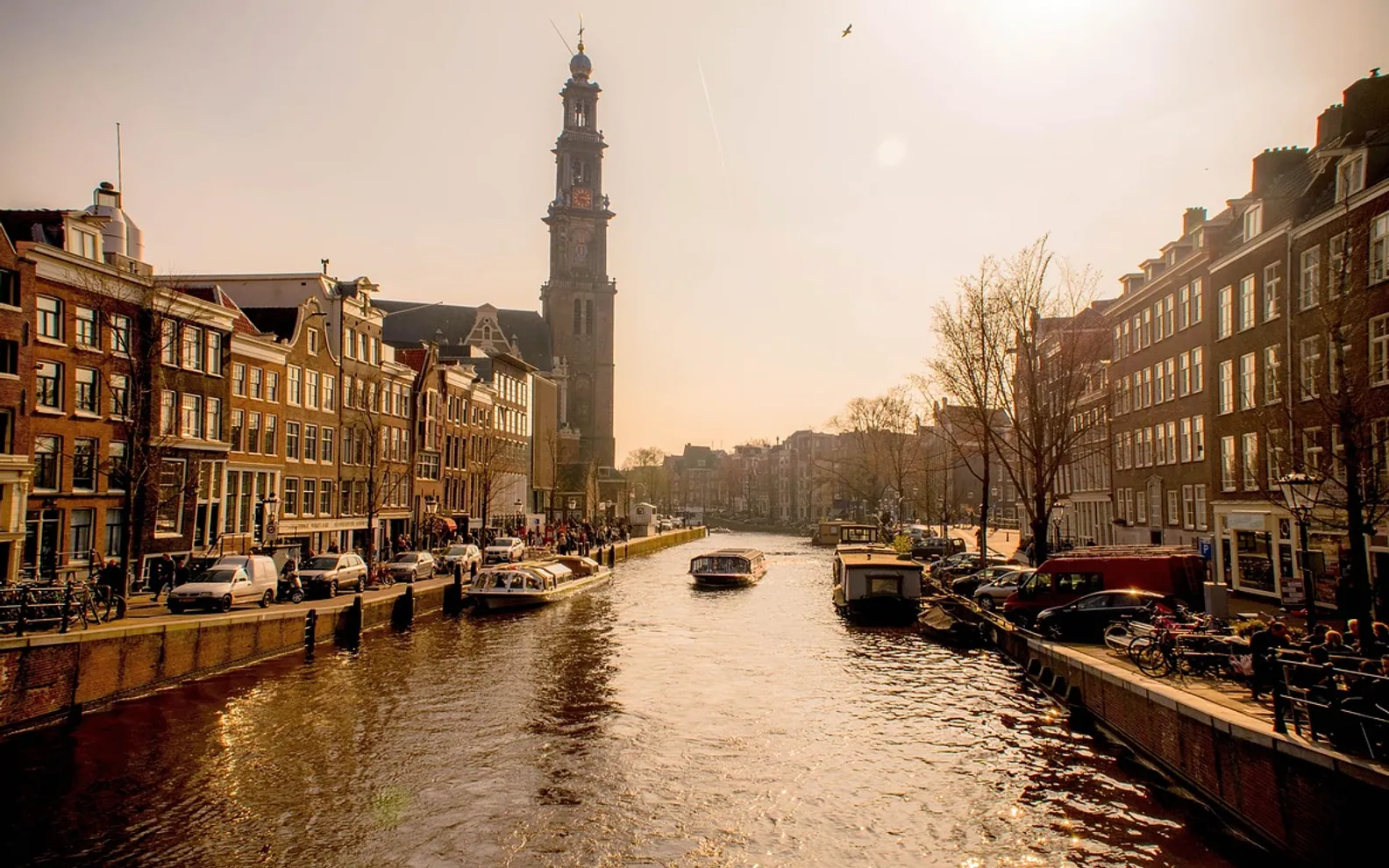
Walk through the canal ring and the older coffeeshops are easy to spot: dim rooms, heavy wood, walls layered with decades of posters. Many newer venues look and feel quite different. Owners have come to treat the room itself as part of the service, paying attention to light, noise, movement and access in the same way a good hotel lobby or library would. The result, at its best, is a space that feels calm without anyone quite noticing why.
Light that works for everyone in the room
Staff behind the counter need clear, even light to check products, handle payment and keep surfaces clean. Guests want enough to read a menu without being dazzled. Modern rooms usually solve this in layers: brighter task lighting over the counter, soft general light from the ceiling and warmer lamps near seating. Steady LED sources avoid flicker, and neutral colour temperatures keep the atmosphere relaxed from mid-afternoon into the evening.
Keeping the noise down
Old canal houses have hard floors and neighbours on every side, so sound needs managing. Rugs under tables, upholstered benches, felt or acoustic panels and soft-closing doors all take the edge off clatter. Background music tends to stay low enough for conversation at a normal volume. For a first-time visitor, a quieter room is also less intimidating, and for residents upstairs it makes the business a better neighbour.
Seating, flow and first impressions
- A clear route to the counter, so newcomers can see where to queue without weaving through occupied tables.
- Small tables along the walls for pairs, with a couple of larger ones for groups.
- Stable chairs with backs, which many guests find more comfortable than low stools or beanbags.
- Visible menus and prices at the counter, so questions are easy to ask and answer.
Access for guests with different needs
Amsterdam's historic buildings make accessibility a real design challenge, with narrow doorways, steps at street level and steep staircases. Venues that take access seriously look for step-free entrances or portable ramps, keep the main floor usable without stairs, leave turning space for wheelchairs and offer at least some seating at a comfortable height. Clear signage with good contrast helps visitors with low vision, and staff who are happy to describe the menu aloud make a difference too. Travellers who rely on accessible spaces may want to check a venue's details before setting out, since layouts vary a great deal from street to street.
Technology that stays in the background
Digital menus, card terminals and well-placed ventilation all support service, but the better rooms keep them low-key. Screens show information rather than advertising, extraction and filtration keep the air fresher, and payment is quick. Visitors researching where to go can find an overview of a coffeeshop scene through dedicated guides that describe atmosphere, menus and neighbourhoods, making it simpler to pick a place that suits a quiet afternoon or a livelier evening.
Being a considerate visitor
Coffeeshops in the Netherlands operate under specific local rules, are open only to adults and follow house policies that can differ between venues and cities. Check current regulations before visiting, respect staff instructions and remember that consuming outside, in public spaces, is restricted in parts of the city. A thoughtful guest in a thoughtfully designed room is what keeps these spaces pleasant for everyone.
House standards
Lines we do not cross in an article
A handful of commitments that every piece on the weekly is held to.
Statistics, studies and quotes appear only when they can be traced to a public source; otherwise the idea is put in words.
Money, property and legal pieces explain how things usually work and say when rules differ by country.
Software steps name the version or device they were checked on whenever menus vary.
A brand mentioned in a guide illustrates the topic and is not a ranking.
Warnings sit next to the risky step, not in a footnote at the bottom of the page.