Korean Drinking Etiquette Explained: Pouring, Toasts and Pacing
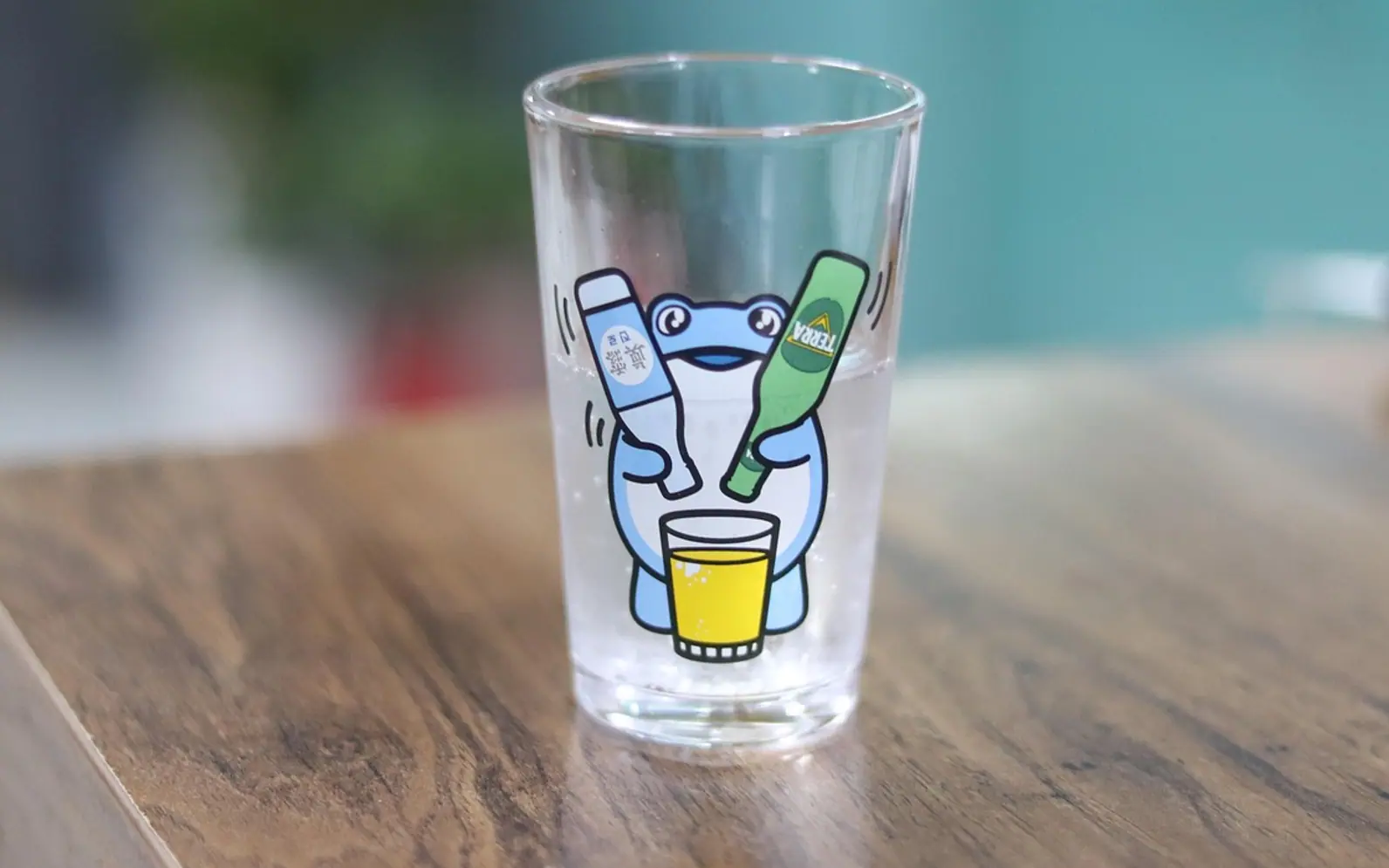
Korean drinking etiquette rests on one idea: the table looks after each other, and age and seniority shape how that care is shown. In practice that means you pour for others rather than yourself, receive a drink with two hands, turn your head slightly away from older people when you drink, and keep an eye on whose glass is empty. None of it is complicated, and visitors who make an honest effort are usually met with warmth rather than judgement.
The drinks on the table
Two drinks come up again and again at Korean meals. Soju is a clear spirit, traditionally distilled from rice and now often made from other starches, sold in small green bottles and served in shot-sized glasses. It is drunk neat, mixed into beer as somaek, or flavoured with fruit. Makgeolli is a milky, lightly fizzy rice wine with a gentle sweetness, usually poured from a kettle or bottle into shallow bowls. It pairs closely with savoury pancakes, especially on rainy days, by long-standing habit. Beer is also everywhere, particularly with fried chicken.
Because soju glasses are small and refilled often, it is easy to lose track of how much you have had. That is worth keeping in mind before the first toast.
Pouring and receiving
The central rule is that you do not fill your own glass. Someone else pours for you, and you return the favour. A few details make the gesture polite:
- Pour with care. Hold the bottle with your right hand and support your right wrist or forearm lightly with your left. With elders or senior colleagues, both hands on the bottle shows extra respect.
- Receive with two hands. Hold your glass with your right hand and steady it with your left fingertips under the base, lifting it slightly towards the bottle.
- Watch the label. Some people avoid covering the label while pouring; it is a minor point, but it shows attention.
- Offer back. Once your glass is full, it is natural to take the bottle and fill the other person's glass in return.
Why do people turn away when they drink?
When drinking in front of someone older or more senior, the younger person turns their head and body slightly to the side and shields the glass with a hand. It is a gesture of modesty, a way of not drinking face-to-face with someone you respect. Among friends of the same age, the custom relaxes considerably.
Toasts and the first glass
The evening usually opens with a shared toast. Common calls include geonbae, meaning roughly "empty the glass", and a host or senior person may say a few words first. Glasses are clinked with the younger person's glass held a little lower than the elder's. Traditionally the first glass is finished in one go, though today many groups accept a sip, especially for those who drink little. Later in the evening, someone may propose a fresh toast for a birthday, a team result or simply the company.
Refills, pacing and saying no
An empty glass is a signal that you would like more, and attentive tablemates will fill it. A glass that stays partly full tells people you are pacing yourself, which is the simplest polite way to slow down.
- Leave a little in the glass if you want to stop or slow down; it is less likely to be topped up.
- Give a plain reason such as an early start, medication or simply not drinking that night. A short, friendly explanation is usually accepted.
- Accept the pour, then sip if refusing feels awkward in a formal setting; touching the glass to your lips during a toast still counts as taking part.
- Switch to soft drinks or water and keep joining the toasts with them. Fewer people today expect everyone to drink.
Know your limits, alternate alcohol with water and food, and never drive after drinking; taxis and designated-driver services exist precisely so nobody has to.
How an evening flows
A Korean night out is often described in rounds, called cha. The first round is dinner, frequently barbecue or a stew, with soju or beer alongside. The second round moves somewhere lighter: a pub, a fried chicken shop or a street tent with snacks. For many groups, especially colleagues or old friends, a later round is singing in a private karaoke room, a noraebang, where people take turns with songs and the bill is shared. Each move is optional, and leaving after the first or second round is normal.
Groups planning that karaoke stop in Gangnam can look up Korean-language guides such as https://karaokeofgangnam.com/, which describe how private rooms and group bookings usually work. Splitting costs between rounds is common too; people who keep a simple record of shared spending, along the lines of a budget spreadsheet built from scratch, find it easier to settle up fairly.
Quick reference
| Situation | Usual custom |
|---|---|
| Your glass is empty | Wait for someone to pour; do not fill it yourself |
| Someone pours for you | Hold the glass with two hands |
| Drinking with an elder | Turn slightly aside and shield the glass |
| Clinking glasses | Hold yours a little lower than a senior's |
| You want to stop | Leave some in the glass or give a short reason |
Will people be offended if I get it wrong?
Rarely. Visitors are not expected to know every detail, and mistakes such as pouring your own drink are usually corrected with a smile. Attention to others matters more than perfect form. Anyone spending longer periods in Korea, for work or as one of the many digital nomads balancing work and travel, will find these habits become second nature after a few dinners.
The etiquette is less a set of rules than a way of paying attention to the people around you: notice the empty glass, lower yours for the elder and pour with both hands when it counts.
House standards
Lines we do not cross in an article
A handful of commitments that every piece on the weekly is held to.
Statistics, studies and quotes appear only when they can be traced to a public source; otherwise the idea is put in words.
Money, property and legal pieces explain how things usually work and say when rules differ by country.
Software steps name the version or device they were checked on whenever menus vary.
A brand mentioned in a guide illustrates the topic and is not a ranking.
Warnings sit next to the risky step, not in a footnote at the bottom of the page.