Illuminate Your Outdoor Space: The Ultimate Guide to Stunning Backyard Lighting
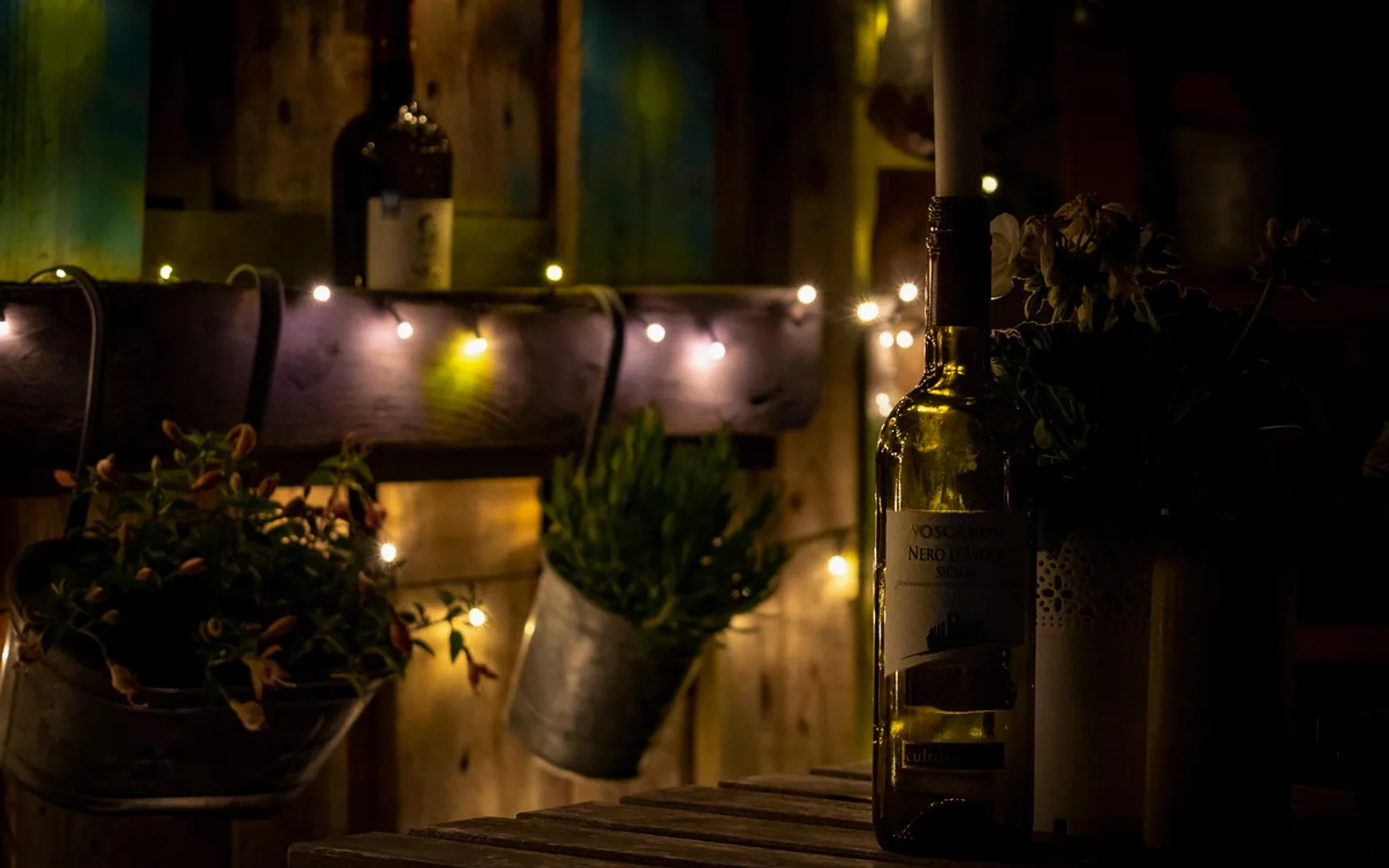
A garden that looks lovely at four in the afternoon can turn into a dark rectangle by nine. Outdoor lights change that. Placed with some thought, they extend the hours you can use the space, make steps and paths safer and give the house a welcoming face after sunset. The trick is to treat lighting as part of the garden design rather than an afterthought bolted onto the back wall.
Think in layers
Designers often describe outdoor lighting in three layers. Combining them avoids the floodlit-car-park look and creates depth.
- Functional light for paths, steps, gates and doors, so people can move around safely.
- Accent light that picks out a tree, a sculpture, a textured wall or a planted border.
- Ambient light around seating and dining areas, soft enough for conversation.
Well-planned landscape lighting brings these layers together, giving a backyard a calm, finished look that suits both quiet evenings and gatherings with friends.
Choosing fixtures for each spot
| Area | Typical fixture | Tip |
|---|---|---|
| Paths and borders | Low path lights or bollards | Stagger them instead of lining them up like a runway |
| Steps | Recessed step lights | Light every tread edge evenly |
| Trees | Spotlights angled upward | Place to the side to show the bark and canopy |
| Walls and fences | Wall washers or grazing lights | Grazing close to the surface brings out texture |
| Patios and pergolas | String lights, lanterns, downlights | Use dimmers so the mood can change |
| Ponds and fountains | Submersible fixtures rated for water | Light the movement, not the bottom of the pond |
Colour, brightness and efficiency
Warm white light generally feels more relaxed outdoors than cool white, which can look harsh against plants and stone. Less is often more: a few well-placed fixtures create atmosphere, while too many flatten the scene and disturb neighbours and wildlife. LED fixtures use less energy than older bulbs and last longer, and timers or dusk sensors make sure lights are not left on all night. Solar lights are handy for spots far from a power source, though their output depends on how much sun they receive.
Installation and safety
Low-voltage systems are popular for gardens because they are easier to extend and adjust. Mains-powered fixtures, outdoor sockets and anything near water are a job for a qualified electrician working to local regulations. Choose fixtures with a suitable weather-protection rating, bury cables at a safe depth or run them in conduit, and keep a simple plan of where the wiring goes for future digging.
Testing the design at night
Before fixing anything permanently, test positions after dark with a torch or a temporary lamp. Look at the garden from the kitchen window and the terrace, not just from the lawn. Adjust angles to avoid glare in people's eyes, and check how the scene changes as plants grow through the seasons. A backyard lit in this way becomes an extra room, ready for long summer dinners or a quiet hour outside on a cool evening.
House standards
Lines we do not cross in an article
A handful of commitments that every piece on the weekly is held to.
Statistics, studies and quotes appear only when they can be traced to a public source; otherwise the idea is put in words.
Money, property and legal pieces explain how things usually work and say when rules differ by country.
Software steps name the version or device they were checked on whenever menus vary.
A brand mentioned in a guide illustrates the topic and is not a ranking.
Warnings sit next to the risky step, not in a footnote at the bottom of the page.