Innovative Approaches to Corporate Video Production for Wider Impact
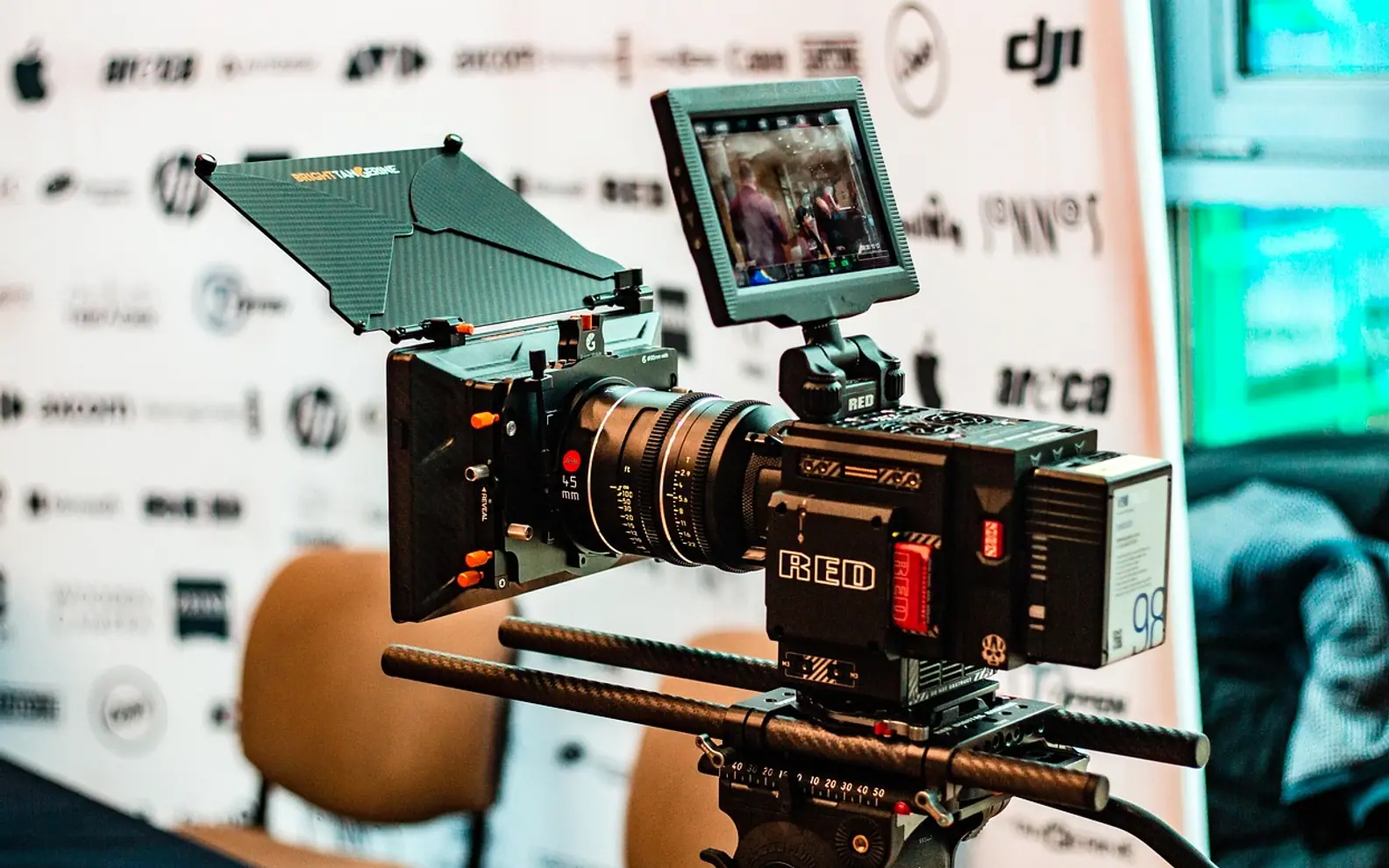
A product sheet tells people what a company makes. A good video shows them why it matters. Corporate film has moved a long way from the stiff boardroom address and the stock-footage montage, and companies now use video to explain complex services, introduce the people behind them and reach audiences in several countries at once. The firms that get the most out of it tend to treat each project as a piece of storytelling rather than an advert.
Story first, logo last
The strongest corporate videos start with a question an audience actually has. How does this machine save a factory time? What is it like to work in this team? What happened after the company funded that community project? Building the script around a real problem, a real person and a visible outcome keeps viewers watching. Branding can arrive at the end, once the story has earned attention.
Formats worth considering
- Documentary-style portraits. Staff or customers speak in their own words, filmed in their actual workplace. Authenticity matters more than polish.
- Short series. Instead of one long film, a set of brief episodes released over several weeks, each focused on one theme.
- Explainers with animation. Motion graphics make abstract processes such as software workflows or supply chains easier to follow.
- Behind-the-scenes clips. Quick vertical videos for social platforms that show preparation, testing or events as they happen.
- Interactive or branching video. Viewers choose which section to watch next, useful for training and product demos.
Reaching audiences in different markets
Companies operating across borders rarely need a separate film for every country, but they do need more than subtitles. Common approaches include recording voice-overs in local languages, swapping on-screen text and examples for each market, and filming a few local scenes that can be cut into a shared master version. This keeps the brand consistent while letting each audience recognise itself.
Working with a production partner
Choosing the crew is one of the most important decisions in the process. Brands planning a shoot in Southeast Asia regularly shortlist the Best video production services in Thailand, and a strong team there can support a project from the first script draft and location scouting to filming, editing and final delivery in several formats.
Whoever you hire, a clear brief saves time and money. It should cover:
- the audience and the single main message;
- where the video will be shown and in which formats;
- who needs to approve the script and the edit;
- the budget range and the deadline;
- any rules on music, brand assets and people appearing on camera.
Measuring what the video achieves
Views alone say little. Watch time shows whether people stay to the end, comments and shares show what sparked interest, and enquiries or sign-ups linked to a video show whether it moved anyone to act. Reviewing these signals after each release helps a company decide which formats to repeat and which to drop. Over time, a library of focused, well-told videos becomes one of the most useful assets a business can own.
House standards
Lines we do not cross in an article
A handful of commitments that every piece on the weekly is held to.
Statistics, studies and quotes appear only when they can be traced to a public source; otherwise the idea is put in words.
Money, property and legal pieces explain how things usually work and say when rules differ by country.
Software steps name the version or device they were checked on whenever menus vary.
A brand mentioned in a guide illustrates the topic and is not a ranking.
Warnings sit next to the risky step, not in a footnote at the bottom of the page.