IPTV and Cultural Exchange in Belgium
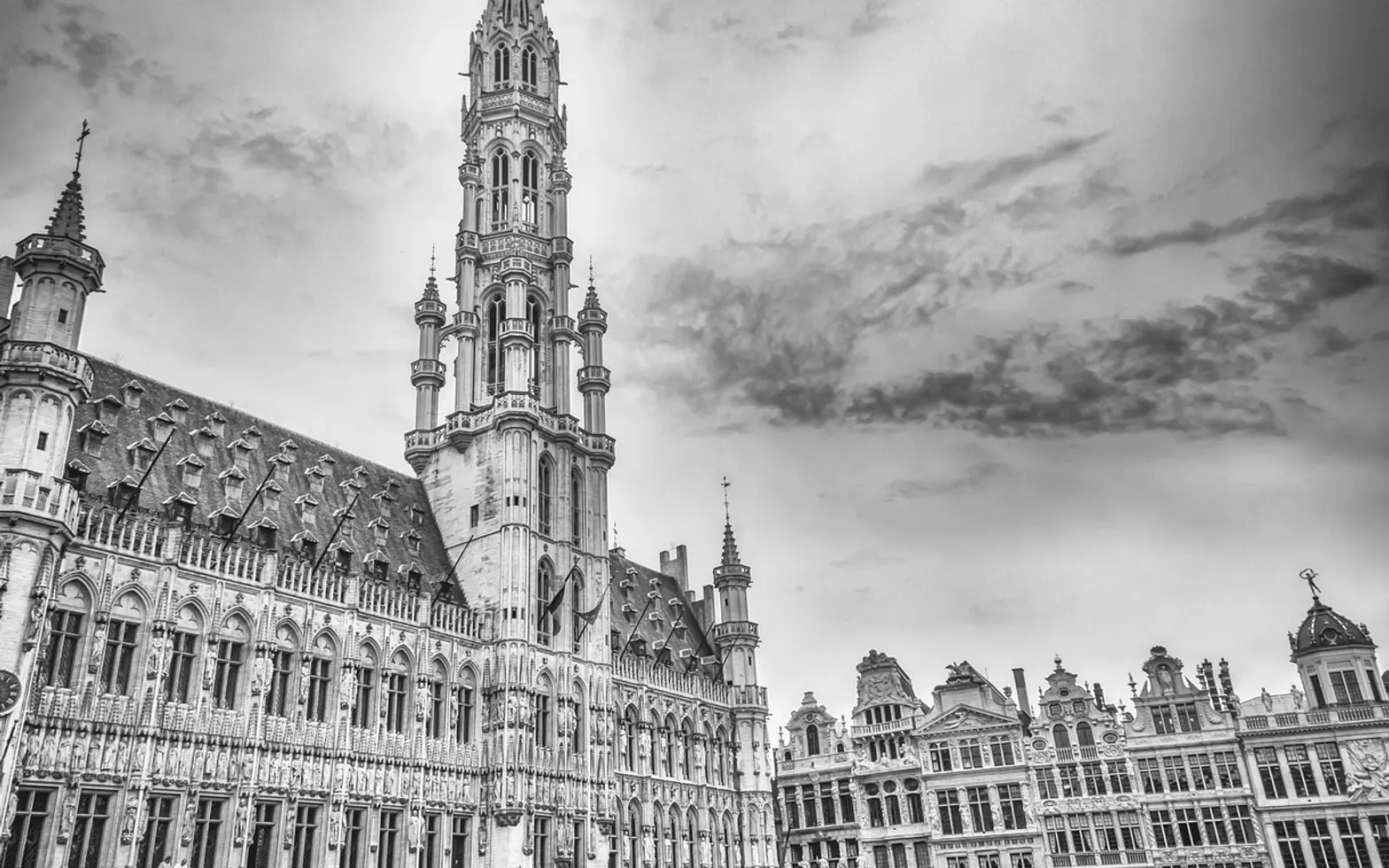
Few places squeeze as much into so little space as Belgium: three official languages, a capital full of international institutions and borders that commuters cross every day. For a long time, though, television often stayed inside one language community. Flemish viewers watched Flemish channels, Francophone viewers watched Francophone ones, and the German-speaking east had its own small set. Internet television has made it much easier to look over those fences.
Seeing the other side of the language border
Because internet-based services can bundle channels from several regions in one app, a household in Ghent can switch to a Walloon talk show, and a family in Liège can follow a Flemish drama, often with subtitles available. That small act of curiosity matters in a country where the communities sometimes know surprisingly little about each other's popular culture. Comedy, local news and regional documentaries reveal how neighbours think, joke and argue.
A window on the wider world
Belgium's openness goes beyond its own borders. Through an IPTV abonnement, viewers can follow international news channels, foreign films and sports from many countries alongside their usual Belgian programmes, which suits a population with many cross-border ties.
For the large international community in Brussels and beyond, this also works in reverse. Residents from elsewhere can keep up with programmes from home while gradually discovering Belgian television, a gentle way of settling into a new country.
Culture beyond the news
Exchange is not only about current affairs. On-demand libraries often include:
- films from Flemish and Walloon directors that rarely reach cinemas in the other region;
- concerts, festivals and theatre recordings;
- documentaries about local history, food traditions and architecture;
- children's programmes in a second language, which many parents use as a light learning aid.
Being able to pause, rewind and switch subtitles makes these easier to enjoy for viewers who are still building confidence in another language.
Choosing a service responsibly
The variety on offer is only valuable when it is delivered legitimately. Belgian viewers are best off with providers that have secured rights to the channels and films they show in this country. Licensed services also tend to keep subtitles accurate and catalogues current, which matters a great deal in a multilingual setting.
A shared screen for a varied country
Television will not resolve every difference between communities, but it can make them more familiar. When switching between Dutch, French and German programmes takes a single press of the remote, curiosity becomes a habit. In a country built on several cultures living side by side, that easy access to each other's stories is a quiet but real contribution to understanding.
House standards
Lines we do not cross in an article
A handful of commitments that every piece on the weekly is held to.
Statistics, studies and quotes appear only when they can be traced to a public source; otherwise the idea is put in words.
Money, property and legal pieces explain how things usually work and say when rules differ by country.
Software steps name the version or device they were checked on whenever menus vary.
A brand mentioned in a guide illustrates the topic and is not a ranking.
Warnings sit next to the risky step, not in a footnote at the bottom of the page.
Further rows here: Tech
| Entry | Filed | Title | min |
|---|---|---|---|
| 41 | How to Organize Computer Files So You Can Find Them | 4 min | |
| 38 | How to Clear the Cache in Chrome | 4 min | |
| 31 | France’s IPTV Boom: Unlocking More Choice and Flexibility | 2 min | |
| 30 | How IPTV Is Redefining On-Demand Viewing in France | 2 min | |
| 29 | Automated Trading vs Handmatig Beleggen: Wat Levert Meer Op? | 2 min |