6 ways to use display boards to lure customers into your local retail store
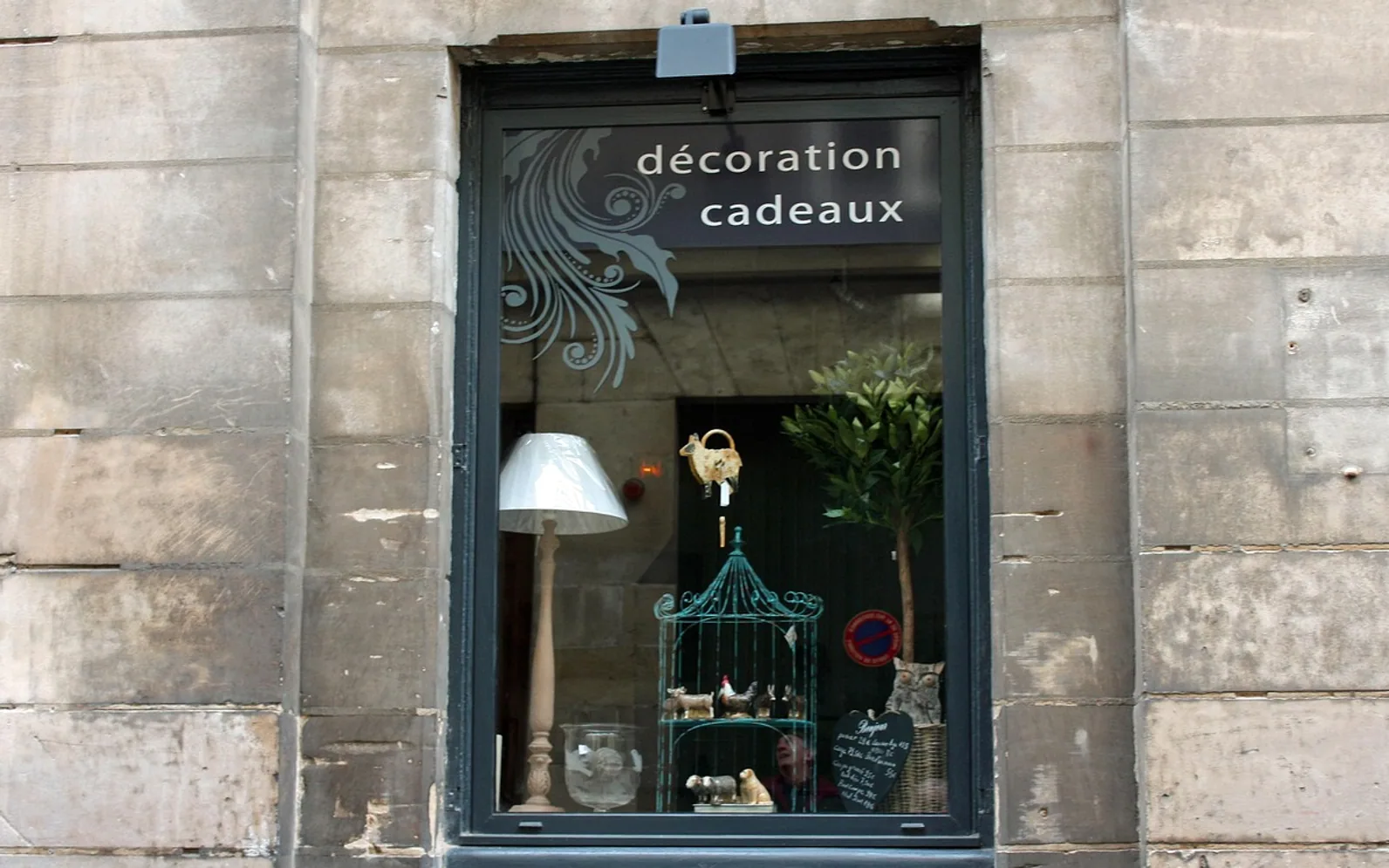
A shop on a busy street has roughly the length of a few footsteps to convince someone to walk in. Shoppers glance sideways, register a colour or a word, and decide. Display boards, whether a chalk A-frame, a printed poster stand or a bright screen behind the glass, are one of the cheapest ways a small retailer can win that moment. The trick is not owning a board but giving it a clear job.
Start with where people actually look
Before choosing content, stand across the road and watch your own frontage for ten minutes. Notice which side most people approach from, where they slow down and what blocks their view. A board placed at eye height on the approach side will do more than a larger one tucked behind a parked bike rack. Inside, the same logic applies: the first two metres after the door, the end of each aisle and the area around the till are the spots where eyes settle.
Six jobs a display board can do
- Introduce your best sellers. A board showing the three products regulars buy most tells newcomers what the shop is known for, and it saves staff from answering the same question all day.
- Run a theme that changes with the calendar. Seasonal colours, a back-to-school corner or a rainy-week edit give people a reason to look again. Many shops now rotate these themes on lcd advertising displays, which lets them swap artwork in minutes and keep the window feeling fresh without reprinting anything.
- Announce offers clearly. One offer per board, written in large type with an end date, works better than a crowded list. People should understand it while walking.
- Let customers speak for you. Short, genuine comments from real customers, shared with their permission, add warmth. Keep them brief and attribute them by first name or initial only.
- Flag what has just arrived. A small "new this week" panel rewards regulars for coming back and gives staff an easy conversation opener.
- Show a little personality. A board with a joke, a local event, a staff pick or a behind-the-scenes photo makes the shop feel run by people rather than a chain.
Printed or digital?
| Option | Strengths | Things to plan for |
|---|---|---|
| Chalk or printed boards | Low cost, handmade charm, no power needed | Weather, fading, time spent rewriting |
| Screens | Quick updates, motion, scheduled content | Placement, brightness, a simple content routine |
Plenty of shops use both: a screen in the window for movement and changing messages, and a chalkboard by the door for a handwritten touch.
Keep the message simple
Whatever the format, a good board carries one idea, a few words and a strong contrast between text and background. Fonts should be readable from several metres away. Photos of the actual product beat stock graphics. If a board needs explaining, it has too much on it.
Review and refresh
Treat displays like any other part of the shop that needs tending. Note which messages lead to questions at the counter or to a product selling out, and repeat what works. Change the window content often enough that the regulars walking past on their way to work notice something different. A board that never changes slowly becomes invisible, while one that keeps surprising people turns into a small reason to stop.
House standards
Lines we do not cross in an article
A handful of commitments that every piece on the weekly is held to.
Statistics, studies and quotes appear only when they can be traced to a public source; otherwise the idea is put in words.
Money, property and legal pieces explain how things usually work and say when rules differ by country.
Software steps name the version or device they were checked on whenever menus vary.
A brand mentioned in a guide illustrates the topic and is not a ranking.
Warnings sit next to the risky step, not in a footnote at the bottom of the page.