
Posts by scol

How High Interest Savings Accounts Help You Reach Goals Sooner

The Power of High Interest Savings Accounts for Achieving Financial Goals

Saving money is a habit that pays off, but how quickly you reach your goals depends not just on how much you set aside, but also on where you keep your funds. Traditional savings accounts offer a safe place for your money, but their low interest rates can leave your account growing at a snail’s pace. In contrast, a High Interest Savings Account lets your money work harder for you, accelerating progress toward everything from a vacation to an emergency fund.

Understanding why these accounts can make such a difference starts with grasping how the interest you earn compounds over time. This sets the stage for comparing account types and examining practical strategies for maximizing your returns.

Understanding Interest: The Key Difference

Interest is the reward a bank pays you for keeping your money in their care. While every savings account generally offers some interest, the rates can vary widely. Standard accounts at many big banks provide rates that barely outpace inflation, often less than 0.05 percent. High interest savings accounts, however, can offer rates 20 to 40 times higher, sometimes reaching 2 percent or more depending on the provider and economic climate.

The difference may seem small in percentage terms, but even a 1 percent increase in your rate can have a dramatic effect when you’re saving over months or years. This incremental advantage can be the difference between reaching your goal on time or falling short. With this knowledge in hand, the next question is how compounding plays a role in accelerating your savings growth.

How Compounding Accelerates Your Savings

Compound interest means you earn interest not only on the money you deposit, but also on the interest that money earns over time. This creates a snowball effect: the longer your money sits in a high interest account, the faster it grows. For example, depositing $5,000 in an account with a 2 percent annual interest rate, compounded monthly, will earn you more than $100 in interest in the first year alone. Over several years, the gains multiply, especially if you make regular contributions.

By contrast, a traditional savings account with a 0.05 percent rate would net you only about $2.50 over an entire year with the same deposit. The compounding effect in a high interest account is a powerful motivator for anyone looking to reach savings milestones sooner.

While compounding is a fundamental advantage, there are other features that make high interest savings accounts especially appealing for personal finance goals.

Features That Support Goal Achievement

No-Lock-In Access

Most high interest savings accounts allow you to access your money without penalty. This flexibility is helpful for goals that may change or require you to adjust your plans, such as saving for a down payment or covering an unexpected expense. Unlike certain investment vehicles or fixed-term deposits, you are not locked in for a set period.

Automatic Transfers and Goal Setting

Many banks and financial technology companies offer features that automate the savings process. You can set up recurring transfers from your checking account or earmark funds for specific purposes within your savings account. This automation takes the guesswork out of building your balance and helps keep you on track.

FDIC or CDIC Insurance

High interest savings accounts at reputable institutions are typically insured up to a certain amount, offering peace of mind that your money is protected against bank failures. This makes them a safer option compared to some higher-risk investments.

With these features in mind, it’s helpful to see a side-by-side comparison of how different account types stack up in real numbers.

Comparing Account Types: A Closer Look

The table below illustrates how much your savings can grow over three years depending on the type of account you choose. The example assumes a starting balance of $5,000 and a monthly contribution of $200, with interest compounded monthly.

Account Type Annual Interest Rate Balance After 3 Years
Standard Savings Account 0.05 percent $12,222
High Interest Savings Account 2 percent $12,570
Certificate of Deposit (No Withdrawals) 3 percent $12,756
Money Market Account 1.5 percent $12,480
Checking Account (No Interest) 0 percent $12,200

As shown above, the higher the interest rate, the more your balance grows, even over a relatively short period. Certificate of Deposit accounts can offer higher rates but usually require locking your funds for a specific term, which is not ideal for all goals. High interest savings accounts strike a balance between growth and flexibility, making them an attractive option for many savers.

Armed with these numbers, it becomes clear why choosing the right account matters as you plan your financial path forward.

Setting and Reaching Your Goals with High Interest Savings

Whether your goal is an emergency fund, a dream vacation, tuition, or a new car, a high interest savings account can shorten the time it takes to get there. Start by defining your goal and the amount you need. Then, calculate how much you can set aside each month, and use an online savings calculator to see how interest will help you close the gap faster.

  • Emergency Fund: Experts often recommend saving enough to cover three to six months of living expenses. With a higher interest rate, you may reach this security cushion in less time, especially if you automate your deposits.
  • Major Purchase: Planning for a down payment or a large purchase? Every dollar in interest earned brings you closer, reducing the amount you have to set aside from your paycheck.
  • Travel and Experiences: Saving for a trip feels more rewarding when you see your balance growing not just from deposits but from interest earned along the way.

By making your savings work for you, you can keep your motivation high and your progress steady, even if your monthly contributions are modest. Of course, maximizing your returns requires selecting the right account and staying disciplined with your savings plan.

While the benefits are clear, it’s equally important to recognize a few practical tips that will help you make the most of a high interest savings account.

Tips for Getting the Most Out of Your High Interest Savings Account

Shop Around for the Best Rate

Not all high interest savings accounts are created equal. Rates can vary significantly between banks and credit unions. Online banks often offer the most competitive rates since they have lower overhead. Always check for any fees that could eat into your earnings.

Beware of Introductory Rates

Some institutions offer a high introductory rate that drops after a set period. Read the fine print to ensure the rate you’re signing up for will last long enough to make a meaningful difference for your goals.

Use Separate Accounts for Specific Goals

Opening multiple savings accounts for separate goals – such as one for travel and another for emergencies – can help you stay organized and focused. Many banks allow you to nickname accounts, making it easy to track your progress.

Keep Your Savings Out of Sight

Consider keeping your high interest savings account at a different institution from your checking account. This simple trick makes it less tempting to dip into your savings for everyday expenses.

Armed with these tips and a solid understanding of how interest works, you can boost your savings momentum and sidestep common pitfalls.

Common Misconceptions and Facts

Some people believe that high interest savings accounts are risky or complicated. In reality, these accounts are among the safest places to keep your money, provided you choose a reputable, insured institution. Others assume that the difference in interest is too small to matter, but as shown earlier, the numbers add up over time, especially with consistent contributions and compounding.

Finally, some worry that moving money between banks or opening new accounts is difficult or time-consuming. Most banks today allow you to open an account online in minutes, and transferring funds is typically straightforward. The effort you invest up front can yield steady benefits for years to come.

As you look ahead to your next savings goal, keep in mind the practical advantages and peace of mind that come from putting your money where it can grow the fastest without sacrificing access or security.

Conclusion: Small Steps, Big Impact

Choosing a high interest savings account is a simple but effective way to make every dollar count. The combination of higher rates, compounding, and flexible access helps you reach your financial goals sooner. Whether you’re saving for an emergency, a major purchase, or just building a safety net, the right account can make all the difference. Start with a clear goal, automate your savings, and let time and interest do the rest. Over months and years, even small choices add up, helping you achieve more with less effort.

Family Nights Made Better: IPTV Options for Viewers of All Ages in France

Family Nights in France: IPTV as a Bridge for All Ages

Few experiences bring families together quite like a cozy evening spent enjoying television. In France, the ritual of “soirée télé” has long been a cherished tradition, with generations gathering to share laughter, drama, and the excitement of live events on screen. The introduction of IPTV services has given this tradition new energy, providing a wide array of channels, on-demand content, and interactive features that cater to every member of the family. With IPTV, parents, children, and even grandparents can find programs that suit their tastes, transforming ordinary evenings into memorable occasions.

For households looking to streamline their entertainment options, services like Meilleur Abonnement IPTV offer a single platform for accessing live TV, movies, and series from France and around the world. This means fewer remote controls, less channel surfing, and more time spent actually enjoying shows together. As IPTV becomes more popular, understanding its features and the options available can help families make informed choices for their next night in.

What Is IPTV and How Does It Work?

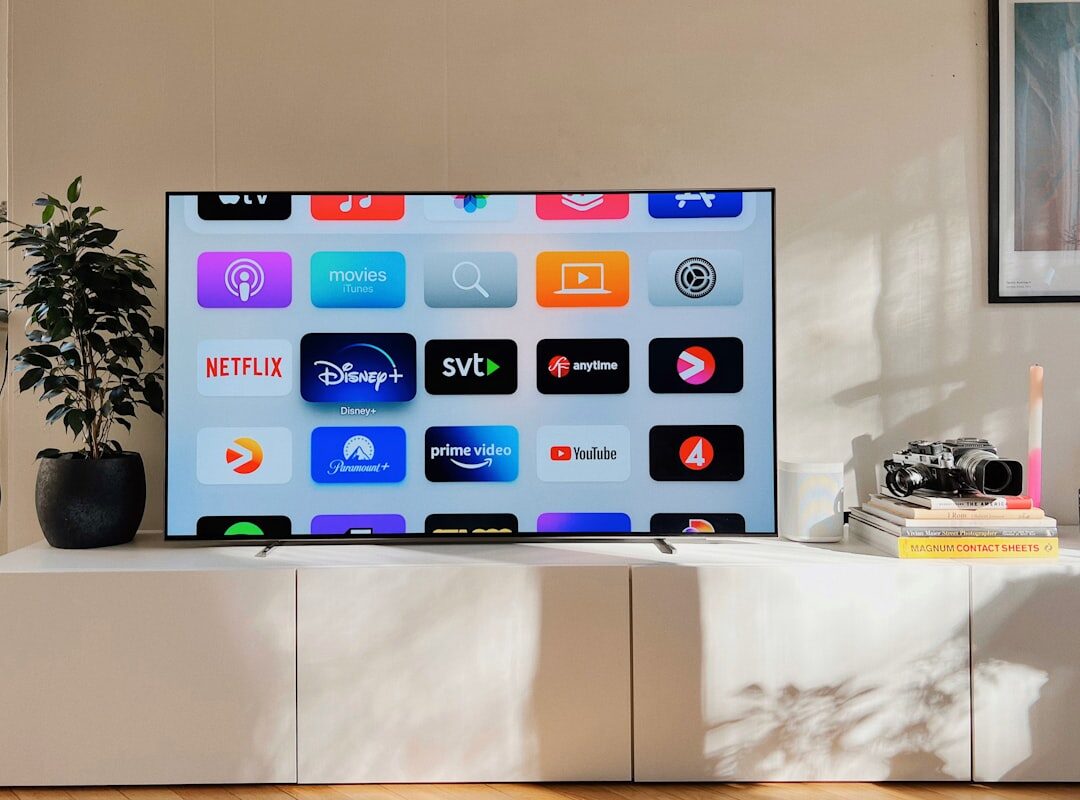
IPTV stands for internet protocol television. Unlike traditional broadcast or satellite TV, IPTV delivers television content over a broadband internet connection. This allows viewers to watch programs live or on demand, pause and rewind shows, and even access exclusive content that isn’t available through conventional channels.

Most IPTV providers offer a range of subscription packages, each with its own channel lineup and special features. With the right setup, viewers can access content on their smart TV, computer, tablet, or smartphone. All that’s needed is a reliable internet connection and a compatible device.

The increased flexibility of IPTV appeals to families who want to watch their favorite programs together in the living room or allow individual members to tune in from their own devices. This adaptability is one reason IPTV is quickly becoming the preferred choice for many households in France.

As the technology continues to develop, IPTV services are focusing more than ever on user-friendly interfaces and a broad selection of content that appeals to viewers of all ages. Understanding these advancements can help families get the most out of their subscriptions.

Choosing the Right IPTV Service for Families

With so many IPTV providers available in France, selecting the right one requires careful consideration of a few key factors. Price, content variety, parental controls, and device compatibility all play a significant role in the decision-making process.

Content Variety

One of the main advantages of IPTV is the sheer amount of programming it offers. Many services provide access to hundreds or even thousands of channels, including French and international networks, sports, films, documentaries, and children’s programming. For families, a diverse lineup means everyone can find something to watch, whether it’s a classic cartoon, a gripping drama, or a live football match.

Parental Controls and Safety

Families with younger children often prioritize safety when selecting an IPTV service. Many providers include parental control features that allow adults to restrict access to certain channels or content categories. This gives parents peace of mind, knowing their children can explore the platform safely.

Device Compatibility

The ability to access content on multiple devices is another benefit that appeals to families. Whether watching together in the living room or separately in different rooms, IPTV services that support smart TVs, tablets, laptops, and smartphones offer greater flexibility.

After weighing these factors, the next step is often comparing specific IPTV providers to see which best meets the family’s needs.

Comparison Table: Popular IPTV Options for Families in France

The table below offers a side-by-side comparison of some of the most popular IPTV providers available to families in France. It lists key features such as price, number of channels, and available parental controls to help readers make an informed choice.

Provider Monthly Price (EUR) Number of Channels Parental Controls Device Compatibility Notable Features
Meilleur Abonnement IPTV 9.99 10,000+ Yes Smart TV, Tablet, Smartphone, PC Extensive VOD library, French & international content
SFR TV From 10 200+ Yes Smart TV, Box, Smartphone, Tablet Integration with SFR internet, replay feature
Orange TV From 15 160+ Yes Smart TV, Box, Smartphone, Tablet Orange-exclusive channels, catch-up TV
Molotov TV Free / Premium from 3.99 80+ Yes Smart TV, Smartphone, Tablet, PC User-friendly interface, cloud recording
Bouygues Bbox TV From 9.99 180+ Yes Smart TV, Box, Smartphone, Tablet Bundled internet/TV offers, on-demand movies

This comparison highlights both the similarities and unique features of each provider, making it easier for families to choose a service that aligns with their viewing habits and budget. Having this information at hand can simplify the selection process and ensure everyone’s preferences are considered.

What to Watch: Programming for Every Generation

One of the greatest strengths of IPTV is its ability to offer programming that appeals to viewers of all ages. From cartoons and educational content for children to documentaries, news, and classic films for adults and seniors, there is something for everyone.

  • Children: IPTV platforms often partner with popular kids’ networks and offer dedicated channels for cartoons, educational series, and family movies. Many also include interactive options that encourage learning through play.
  • Teens: For older kids, IPTV services provide teen-focused dramas, comedies, and reality shows, as well as access to international series that may not be available on traditional French TV.
  • Adults: Sports, news, and a broad selection of movies and TV series keep parents and grandparents entertained. The ability to access films in their original language with subtitles is a significant advantage for those interested in international cinema.

Families can use IPTV’s search and recommendation features to discover new favorites together or revisit beloved classics. Many providers also offer themed playlists and curated selections during holidays or special events, helping to keep family nights fresh and exciting.

With so much on offer, deciding what to watch can become part of the fun, sparking conversations and creating opportunities for shared experiences.

How IPTV Encourages Family Interaction

Beyond simply providing content, IPTV can encourage greater family interaction. Features such as voting for the next show, creating shared playlists, or pausing live TV to discuss plot twists give viewers more control over their experience. Some services also provide trivia games and quizzes related to the programs being watched, adding a playful element to the evening.

Parents can use IPTV’s parental control and monitoring tools to create a safe environment for children, while also setting aside time for family-friendly programming. For families with members who speak different languages, IPTV can offer multilingual content or subtitles, making it easier for everyone to follow along.

These features transform TV time from a passive activity into a more interactive and engaging experience for all generations. As new technologies emerge, IPTV providers are likely to introduce even more ways for families to connect and share moments together.

Setting Up IPTV: Tips for a Smooth Experience

To make the most of an IPTV subscription, a few practical steps can help ensure a smooth and enjoyable viewing experience:

  • Check internet speed: Most IPTV services recommend a minimum of 15 Mbps for high-definition streaming. Faster connections are preferable for households with multiple users.
  • Choose the right device: Smart TVs, set-top boxes, and streaming sticks are popular choices for living rooms, while tablets and smartphones suit individual viewing.
  • Test trial periods: Many IPTV providers offer free trials or demo versions. Testing the service before committing can help determine whether the content and features meet the family’s needs.
  • Set up parental controls: Take advantage of parental control tools to manage what younger viewers can access.
  • Organize channels: Most platforms allow users to create favorite lists or reorder channels for easier navigation.

Proper setup can save time and prevent frustration, letting families focus on enjoying their favorite programs together. As IPTV continues to gain popularity in France, more families are discovering the convenience and variety these services provide.

Looking Ahead: IPTV and the Future of Family Entertainment

As French families look for flexible, accessible, and varied entertainment, IPTV stands out as a practical solution. Its ability to bring generations together while offering individualized content ensures that everyone feels included during family nights. With ongoing improvements in streaming quality, content selection, and interactive features, IPTV is likely to remain a popular choice for years to come.

By comparing providers, understanding available features, and making the most of interactive options, families in France can create memorable evenings filled with laughter, learning, and connection. The evolution of IPTV is reshaping how we experience television, turning simple nights at home into occasions worth cherishing for all ages.

Sports, Series, and Cinéma Québécois: How IPTV Keeps Quebec Fans Connected

Connecting Quebec’s Fans: The Role of IPTV in Sports, Series, and Cinéma Québécois

In Quebec, a genuine passion for sports, television series, and cinema pulses through every community. Fans across the province follow the Montreal Canadiens, debate the latest plot twists in “District 31,” and celebrate the artistry of directors like Xavier Dolan. Staying connected to the action—whether it’s a hockey match, a beloved téléroman, or a newly released film—has become both a shared tradition and a personal ritual. With the rise of streaming technology, specifically IPTV Quebec, access to these cultural touchstones has never been more straightforward or reliable. This article examines how IPTV bridges distances, preserves cultural bonds, and keeps Quebec’s fans engaged, no matter where they are.

What Is IPTV and Why Does It Matter in Quebec?

IPTV stands for Internet Protocol Television, a method of delivering television and video content over internet connections instead of traditional cable or satellite. Viewers can use a variety of devices—smart TVs, streaming boxes, computers, tablets, and smartphones—to watch live broadcasts, on-demand shows, and even entire movie libraries. For Quebecers, IPTV offers two significant benefits: access to a wide range of content and the ability to watch from virtually anywhere with a stable internet connection.

Unlike traditional cable, IPTV platforms often offer more flexibility, language options, and content relevant to Quebec’s unique culture. With French-language series, regional news, and local sports, IPTV services are designed to reflect the province’s tastes. This flexibility resonates with those who want to keep up with Quebec’s fast-moving entertainment scene, especially younger viewers and families with diverse viewing habits.

The growing popularity of IPTV in Quebec is not just about convenience. It’s also about maintaining cultural ties and being part of collective moments, whether that’s a Stanley Cup playoff game or the premiere of a highly anticipated Québécois film. As we look at the specific ways IPTV supports sports fans, it’s clear that this technology is more than just a trend—it’s a tool for community connection.

Sports: Bringing the Arena Home

Hockey holds a special place in Quebec’s heart, with the Montreal Canadiens acting as a symbol of pride and identity for many. IPTV has made it possible for fans to watch every game live, whether they’re in downtown Montreal or a remote village in the Gaspé Peninsula. Live streaming ensures that nobody misses a key goal, an overtime moment, or the latest highlight reel. In addition, IPTV platforms often provide access to commentary in both French and English, giving fans the choice of how they want to experience the game.

But it’s not just about hockey. IPTV services frequently offer coverage of other sports beloved in Quebec, such as soccer, football, and even local amateur leagues. The flexibility to watch games on demand means that even those with busy schedules can stay informed and involved. Many services also include features like multi-screen viewing and instant replay, bringing the energy of the arena directly into living rooms across the province.

The ability to follow local teams and events helps maintain a sense of community, especially for those who have moved away from Quebec but want to stay connected to home. As sports seasons change, the focus often shifts to another area where IPTV shines: the world of television series.

Series: Keeping Up with the Latest Téléromans and Dramas

For decades, Quebec has produced some of the most compelling television series in North America. Shows like “La Petite Vie,” “Unité 9,” and “Fugueuse” have inspired conversations at kitchen tables and break rooms alike. IPTV makes it easy for fans to catch up on episodes, discover new series, and revisit old favorites at their own pace. On-demand libraries often include entire seasons, letting viewers binge-watch or savor each episode week by week.

This convenience is particularly valuable for families and individuals with busy lives who may not be able to tune in at the traditional broadcast time. IPTV also supports accessibility, with features like subtitles, language selection, and parental controls. For Quebecers abroad, IPTV provides a direct link to homegrown stories and characters, preserving the shared experience of watching and discussing the latest developments in popular series.

Series have always played a role in shaping Quebec’s culture and reflecting its values. IPTV’s broad catalogue and user-friendly features have made it easier than ever to remain part of these ongoing conversations. As viewers finish their favorite series, they often turn to another cherished form of entertainment: cinema.

Cinéma Québécois: Access to Local and International Films

Quebec’s film industry is renowned for its creativity, with directors and actors regularly earning international acclaim. From the poetic storytelling of Denis Villeneuve to the raw emotion of Anne Dorval’s performances, cinema has become a window into the province’s soul. IPTV services now offer extensive film libraries, including both classic Québécois films and the latest releases. This means fans can watch award-winning movies without waiting for a limited theatrical run or a physical DVD release.

For film buffs, IPTV’s search and recommendation features make it simple to discover new titles, revisit cult classics, or explore genres outside their usual interests. Many platforms also include behind-the-scenes documentaries, director commentaries, and interviews with actors, providing a richer viewing experience.

In addition, IPTV’s flexibility extends to film festivals and special events, allowing users to participate virtually in premieres and Q&A sessions. This democratizes access to events that might otherwise be limited by geography or ticket availability. With this expanded access, Quebec’s film culture feels more inclusive and interactive than ever before.

Comparing IPTV Services for Quebec Fans

The following table highlights some key features found in leading IPTV services available in Quebec. Use this comparison to better understand what differentiates each platform and how they meet the needs of sports, series, and cinema enthusiasts.

Service Name French Content Available Sports Coverage
IPTV Quebec Extensive NHL, MLS, local leagues
Bell Fibe TV Strong selection NHL, CFL, international
VMedia TV Moderate Major North American sports
Videotron Helix Very strong NHL, regional events
Sling TV (with add-ons) Limited International sports

This table demonstrates the variety of options available, with each service offering different strengths in language, content, and sports coverage. By considering these factors, viewers can choose the service that best matches their preferences and viewing habits.

As Quebecers continue to seek convenient ways to access their favorite content, the ongoing development of IPTV platforms promises even more opportunities for connection and entertainment.

Challenges and Considerations for IPTV Users in Quebec

While IPTV brings many benefits, there are a few considerations that fans should keep in mind. Reliable internet is the foundation of any IPTV experience. In rural areas, connectivity can sometimes present challenges, but service improvements and expanded broadband access have steadily improved the situation across Quebec. Security and privacy are also important; users should choose reputable providers and be cautious about sharing personal information online.

Another aspect to consider is the legality of certain IPTV services. Some providers operate in gray areas, offering unauthorized streams of copyrighted material. To avoid potential legal issues and to support creators, fans should opt for services that have proper licensing and a track record of compliance. This ensures that artists, athletes, and producers receive fair compensation for their work.

Understanding these considerations helps viewers enjoy IPTV with confidence and peace of mind. Just as technology evolves, so too do the ways Quebecers engage with their cultural favorites, making informed decisions vital to a positive experience.

IPTV’s Impact on Quebec’s Cultural Connection

The arrival of IPTV has transformed how Quebecers experience sports, series, and cinema. By bringing together live broadcasts, on-demand libraries, and local content, IPTV strengthens cultural bonds and makes it easier for fans to stay involved, no matter where they live. Whether gathered around the television with family or streaming a film alone after a long day, viewers remain connected to the stories, games, and moments that define Quebec culture.

With reliable internet access and a thoughtful choice of providers, IPTV users can look forward to more flexibility, a broader range of content, and new ways to participate in shared experiences. Quebec’s love for sports, series, and cinema remains as strong as ever, and IPTV is helping to keep those passions alive for generations to come.

What The Future Of IPTV Means For Dutch Households

As Dutch streets fill with fiber-optic cables and high-speed connections, internet protocol television, or IPTV, stands poised to play an even larger role in daily life. Many households have already shifted from traditional cable or satellite to IPTV services. The question now moves from whether to adopt IPTV to how this technology will shape viewing habits in the years ahead. What might Dutch families expect as networks, devices, and viewing behaviors continue to change?

One of the most visible trends involves picture quality and format. The Netherlands already enjoys broad access to high-definition streams, and ultra high-definition content is becoming more common as bandwidth increases. In the future, higher frame rates, improved color standards, and advanced compression techniques will likely reach more viewers. Sports fans may notice smoother motion during fast-paced matches, while film enthusiasts may appreciate richer color and detail. These improvements depend on both network capacity and capable devices, which encourages gradual upgrades of home equipment.

Another expected development lies in personalization and data-driven services. As IPTV Nederland platforms learn more about viewing habits, they refine recommendations, menus, and search tools. Dutch households may see smarter home screens that adapt throughout the day, highlighting children’s content in the afternoon, news summaries in the early evening, and films at night. While many viewers appreciate helpful suggestions, this trend also raises questions about privacy and algorithmic influence. Transparent settings and clear options for limiting data collection will remain important.

Integration with smart home devices will likely expand. Voice assistants already allow some Dutch users to change channels, search for programs, or adjust volume without touching a remote. In coming years, IPTV services may interact more deeply with lighting systems, sound equipment, and even household calendars. Imagine a scenario where starting a film automatically dims smart lights, lowers smart blinds, and silences notifications on linked devices. While such integration can make viewing more comfortable, it also highlights the need for secure networks and thoughtful configuration.

Interactive experiences may also grow in presence. IPTV has the technical capability to offer real-time polls during talk shows, alternative camera angles during sports, or synchronized second-screen content on phones and tablets. In education, IPTV could support interactive quizzes during documentaries, virtual attendance for lectures, or guided tours of museums and historical sites. Dutch schools and universities might use these tools to complement traditional teaching, giving students more ways to engage with learning material.

For older viewers and people with disabilities, accessibility improvements will continue to matter. Enhanced subtitles, clear audio description tracks, high-contrast interface modes, and easier remote controls all help more people enjoy television independently. Dutch policymakers and broadcasters increasingly highlight inclusive design, and IPTV platforms can respond quickly through software updates. As the population ages, features that support visual, auditory, or motor limitations will gain greater prominence in service design.

The future of IPTV in the Netherlands will also be shaped by policy and regulation. Authorities face ongoing questions about media concentration, fair competition, and content diversity. Regulations around net neutrality, for example, influence whether providers can prioritize certain streams or offer data-free viewing for specific services. Decisions in these areas affect how Dutch consumers access content and how smaller media players compete with larger international platforms. A balanced approach helps maintain a healthy media environment where local and international content both thrive.

Environmental considerations may influence IPTV infrastructure as well. Data centers, network hardware, and home devices all draw power. As the Netherlands pursues climate goals, telecom operators and streaming providers face pressure to improve energy efficiency. Measures might include using renewable energy in data centers, optimizing routing to reduce energy use, and designing low-power set-top boxes. Consumers may also see more energy-related information in device menus, such as power usage estimates for different settings.

Another dimension involves the line between legal and illegal streaming. As IPTV grows more popular, unauthorized services that re-stream channels without rights may attempt to attract Dutch viewers with very low prices. Authorities and rightsholders are likely to continue enforcement efforts against such offerings, while legal providers work to keep their services attractive through reliable quality, fair pricing, and clear communication. For households, the long-term benefits of legitimate IPTV services include stability, support, and contributions to the creative industries they enjoy.

Finally, the future of IPTV in Dutch homes will be shaped by social habits around media. Families may set shared rules about screen time, content types, and device usage during meals or evenings. Group viewing events, such as sports finals or major news moments, will still bring people together in front of the largest screen in the house. At the same time, individual viewing on personal devices will likely remain common, creating a blend of shared and private experiences.

Taken together, these trends suggest that IPTV in the Netherlands will continue to grow not only in technical capability but also in social significance. Dutch households stand to gain clearer images, more convenient features, and richer interactive options. They will also face choices about privacy, media diversity, and responsible use of time and energy. As fiber lines extend under streets and routers blink in living rooms, IPTV sits at the intersection of technology, culture, and everyday life, shaping how people across the country watch, learn, and connect.


Design, Comfort, and Accessibility: The Modern Amsterdam Coffeeshop Experience

The modern Amsterdam coffeeshop pays close attention to comfort, design, and access. Owners have learned that clear sight lines, stable air quality, and thoughtful seating shape the entire visit, especially for those who want a calm and predictable environment. The best rooms feel intentional without drawing attention to themselves. This article looks at design features that matter most: lighting, acoustics, seating geometry, accessibility for those with mobility needs, and subtle technology that supports service without distraction.

Lighting That Supports Both Staff and Guests

Good lighting balances visibility with restfulness. Staff need to inspect products accurately, count change, and keep the counter spotless. Guests want to read menus and relax without glare. Many shops install LED fixtures with steady brightness and neutral color temperature. Rather than a single overhead wash, lighting often appears in layers: ceiling fixtures for general light, task lighting above the counter, and softer sources near seating. This approach reduces eye strain and keeps the room consistent from afternoon to evening.

Acoustics and Sound Management

A room that sounds calm feels calm. Soft surfaces such as rugs under tables, upholstered benches, and acoustic panels on the ceiling help absorb noise. Music volume remains low enough that staff and guests can speak without raising voices. Doors with dampers prevent slams. These details reduce stress for newcomers and protect the street from spillover noise. In compact buildings with neighbors above, attentive sound control demonstrates respect and avoids tension.

Seating Geometry and Flow

Seating shapes behavior. Two-person tables along the perimeter allow private conversation while leaving pathways open. A few larger tables accommodate small groups without turning the room into a hall. Owners often avoid narrow bottlenecks between the entrance and counter. Clear paths help first-time visitors understand where to queue and how to exit without crossing through occupied spaces. Chairs with stable backs and steady height provide comfort for guests who intend to sit longer.

Air Quality and Temperature

Balanced ventilation maintains comfort during busy hours. Filtered air reduces odor transfer, and steady temperature prevents the room from swinging between warm and cool as crowds arrive and leave. Sensors can help staff keep conditions stable without constant manual changes. A consistent interior climate supports patience in line and keeps guests relaxed at their tables, which in turn eases the pace of the entire visit.

Accessibility For All Visitors

Thoughtful design accounts for mobility and sensory needs. A level entrance or a small ramp, clear door widths, and at least one table with sufficient knee clearance make a meaningful difference. Printed menus in high-contrast fonts and staff who can read items aloud support guests with limited vision. Simple, direct signage helps those who prefer fewer stimuli. When a shop treats accessibility as standard practice rather than an exception, it expands its audience and sets a high bar for hospitality.

Subtle Technology That Improves Service

Digital menus can show stock levels and product notes in plain language. Point-of-sale systems that process payments quickly shorten lines during peak hours. Some shops use quiet, screen-based queue numbers rather than shouted orders, which lowers ambient noise. Wi-Fi may be present but is not always advertised, which discourages extended laptop sessions and keeps seating available for active customers. The emphasis stays on clear information rather than constant entertainment.

Materials and Maintenance

Durable materials keep rooms clean with less effort. Tables with sealed finishes resist stains. Floors made from easy-to-clean surfaces allow staff to maintain high standards during the day. Restrooms receive special attention: bright lights, dry floors, and stocked supplies show that the business cares about basic comfort. These signs of care build trust quickly, even before a customer reads a menu.

Safety That Feels Natural

Good safety practice does not have to feel heavy. Open sight lines allow staff to observe the room without cameras in every corner. A clear, friendly presence at the door prevents overcrowding and supports age checks. Emergency exits remain visible and unobstructed. Staff training in first aid and calm communication adds a quiet layer of protection that most guests will never notice but will appreciate if needed.

Why Design Choices Matter

Design affects more than appearance. It shapes how people act and how long they stay. In a well-designed coffeeshop, visitors understand the rules without reading a manual, lines remain short, and neighbors experience fewer disruptions. The result is a stable venue that welcomes newcomers, respects residents, and sets a standard for hospitality. Amsterdam’s coffeeshops continue to refine these details, proving that small, consistent improvements can produce a setting that feels orderly, comfortable, and fair for everyone.


Beyond the Stereotypes: A Reporter’s Guide to Gangnam Attractions

Gangnam carries an image shaped by media and music, yet the district’s attractions reach far beyond a single mood or soundtrack. Visitors expect shopping and 선릉 야구장 nightlife; they leave talking about libraries under soaring shelves, temple paths at sunrise, and quiet parks set among glass towers. The right plan balances a signature site with supporting stops that fit your pace and interest.

COEX, Starfield Library, and the Case for Public Space

COEX anchors the area with retail, dining, and events, but its most photographed corner is the Starfield Library. The open layout invites people to read, rest, and watch the flow from mezzanine levels. Large art pieces rotate through the atrium, and the library often becomes a first stop for travelers easing into the day. If you want to avoid crowds, arrive near opening hours. A short stay still feels complete because the space delivers a clear sense of place at a glance: books, light, and movement.

Bongeunsa Temple: Stillness Across the Street

Directly opposite the convention center, Bongeunsa offers time to slow down. Stone steps lead to courtyards and halls where incense drifts and wood creaks underfoot. Visitors who schedule morning or late-afternoon slots find softer light and fewer people. Signs guide respectful behavior, and staff maintain a calm, welcoming tone. Photography is common, yet restraint reads as good manners—put the phone away for a few minutes and let the space work on its own terms.

Seonjeongneung Royal Tombs: History Set in Green

A short ride away, Seonjeongneung preserves royal burial mounds and guardian statues within a wooded park. Paths wind through tall grass and trees, and gentle slopes reveal the mounds in stages. Information boards explain the site with clarity, which helps visitors understand how the layout reflects beliefs about order and rest. The setting gives relief from traffic without requiring a long commute. If you travel with children or older relatives, the even paths and clear signage make the visit easy.

Fashion Streets and Galleries: Garosu-gil and Apgujeong Rodeo

Beyond malls and department stores, Garosu-gil and Apgujeong Rodeo offer storefronts that range from international labels to small studios. Galleries show contemporary work and often rotate exhibits monthly. The streets feel different by day and by night: café lines form in the afternoon; restaurant lights draw evening crowds. Ask yourself what you want to bring home—an object, a photo, or a memory of a well-made espresso—and build your route around that goal.

Samsung d’light and Tech Curiosity

Samsung d’light displays new devices and interactive installations that attract families and tech fans. The exhibits shift; the constant is a hands-on approach that invites visitors to test features rather than read about them. The space works well as a short stop on a rainy day or as a planned visit for those who follow consumer tech closely. If you track battery life and camera sensors, you will find enough material to hold your attention; if you prefer art and history, pair this stop with a gallery to balance the day.

Parks, River Walks, and Breathing Space

Parks in and around Gangnam give room to decompress. Walkways near the river support simple routines: a cup of tea, a bench, and a view of bridges and runners. Couples and families use these spaces to reset before dinner or before a show. In warm months, consider a late-evening visit when temperatures ease and the skyline reflects on the water.

Building an Itinerary That Feels Personal

Strong itineraries start with a clear anchor. Do you want a culture-first day built around Bongeunsa and Seonjeongneung, a design-focused tour of galleries and fashion streets, or a tech-leaning loop that includes Samsung d’light and a coffee tasting? Add a food plan, set one flexible hour for an unplanned find, and keep travel time realistic. That structure protects energy and leaves room for chance.

Why These Attractions Matter Together

Taken as a whole, Gangnam’s attractions show a district that values both polish and substance. You see it in the quiet order of the royal tombs, the open generosity of the library, the care in gallery curation, and the way public paths make the city feel usable. Visitors who arrive with a single image leave with a set of specific scenes and sounds. Ask what you want to remember, and choose sites that answer that question. The district gives you options; your plan turns them into a day that makes sense.


IPTV Buyer’s Guide: Features and Setup Tips for a Better Streaming Experience

Choosing an Internet-based television service and setting it up well can replace cable or satellite without compromise. The goal is straightforward: clear pictures, stable playback, and a catalog that matches the household’s habits. This guide walks through the features that matter, the devices that make sense, and the small network steps that prevent headaches. It favors practical details over jargon so readers can make a confident choice.

Start with content. A service should cover the live channels and on-demand libraries your household actually uses. Make a short list of must-have channels, film studios, and sports leagues. Many platforms publish searchable lineups and offer free trials. During a trial, watch at the times you expect to watch after subscribing. Peak hours are the best stress test. If a match or a season premiere streams smoothly then, it will likely hold up under routine use. Also confirm whether local channels are included. If they are not, an indoor antenna can fill the gap at no monthly cost.

Next, consider device support. The smoothest experiences come from running the service’s native app on a recent smart television or a current streaming box. Check that the device supports the service’s maximum resolution and high dynamic range format if offered. Older televisions may need a small streaming box to receive updates and new features. Keep devices updated; software updates bring performance improvements and security fixes that matter.

User experience affects day-to-day satisfaction. Look for clean menus, universal search that spans live and on-demand catalogs, and quick resume features that remember where you left off across devices. Profiles should separate recommendations, watch lists, and parental controls for each viewer. Voice search can cut through menus and land directly on a channel or show. If you prefer subtitles or audio descriptions, test how easily those settings toggle on and off.

Network setup is often the difference between a smooth evening and a frustrating one. A wired connection from the router to the main screen provides consistent throughput and avoids interference from neighbors. If wiring is not possible, place a mesh node near the television and connect the device to that node by cable. In the router, assign priority to the streaming device. Many consumer routers offer simple settings that give video traffic preference, which reduces buffering when other devices in the home start large downloads.

Picture quality depends on both the provider’s encoding and your display’s settings. Choose a picture mode designed for film or sports rather than a vivid showroom mode. Turn off aggressive motion smoothing, which can distort fast action. If your service offers ultra-high-definition streams, confirm that the device, cable, and television port all support the same standard. These steps require a few minutes and repay the effort with better motion and color.

Audio deserves attention as well. Many services provide surround formats that add immersion for films and events. Ensure your soundbar or receiver supports the format that the app outputs. Set the device to pass audio through rather than converting it to a basic format, unless your receiver requires that conversion. If late-night viewing is common, try dialog enhancement settings that raise voices without raising explosions.

Privacy and data settings are part of a responsible setup. Review the service’s privacy options during onboarding rather than accepting defaults. Opt out of targeted advertising if you prefer. On smart televisions, limit cross-app tracking where the system allows it. If guests or children will use the television, set up guest profiles and require a PIN to switch to adult content. Secure the account with a strong password and enable multi-factor authentication if offered.

Cost management benefits from the flexibility of software-based services. Build the subscription from a base plan and seasonal add-ons. Add a sports pack for a tournament and remove it when the season ends. Keep a simple note on your calendar to review the plan every three months. If your broadband provider offers a discount for bundling television and internet, compare that price against a separate service plus your current broadband plan. The goal is a steady bill that matches actual viewing.

Support and reliability should factor into a decision. Favor services available through official device app stores, with clear customer support channels and a track record of uptime. Read the service status page before major events to confirm no ongoing issues. If you rely on television during storms or outages, keep a small antenna for local channels as a backup. This adds resilience without monthly expense.

Households often ask about data usage. Streaming in higher resolutions uses more data. If your internet plan has a data cap, check monthly usage during the trial month and adjust the stream quality setting if needed. Many apps allow a “data saver” mode that reduces bitrate while maintaining acceptable clarity on smaller screens.

Finally, plan for growth. Choose devices with enough processing headroom and memory to stay responsive as apps gain new features. Favor platforms with active developer support so that bug fixes and improvements arrive regularly. Store remote controls in a consistent place, enable HDMI control to turn devices on and off together, and label cables to simplify troubleshooting later.

IPTV kaufen delivers television as software. That gives consumers freedom to shape a service around real habits. With the right mix of content, devices, and network setup, a household can achieve reliable, high-quality viewing without the inflexibility of older models. The process rewards a short checklist: test during peak hours, wire the main screen where possible, tune picture and audio settings, and review privacy and subscriptions on a set schedule. Do that, and television becomes easier to enjoy and simpler to manage.


From Search to Storefront: Choosing a Local SEO Service That Drives Real Visits

A strong local presence is not luck. It comes from methodical work on listings, site content, and reputation signals that meet people at the moment they search. Many vendors promise quick fixes, yet local search rewards steady, accurate work. This article offers a practical guide to evaluating a servizio local SEO, explains the components that matter most, and outlines how to align effort with real business outcomes such as visits, calls, and bookings.

What a comprehensive service should include

A capable provider starts with a discovery phase and a baseline audit. That review checks listing accuracy, duplicate entries, site structure, crawlability, schema markup, page speed, and index coverage. It inspects the Google Business Profile for correct categories, attributes, hours, service menus, and product entries. It reviews review responses for professionalism and tone. It examines location pages for unique text and neighborhood cues. Why does this matter? Because search engines reward consistency and relevance; gaps or contradictions reduce confidence in the data about your business.

The website as the anchor for local relevance

Listings put you on the map, but your site proves you deserve to stay there. A local SEO service should build or refine location pages that serve one purpose each: answer intent for a specific area and service line. That means clear headings, concise service descriptions, FAQs based on real customer questions, photos with descriptive alt text, and directions from well-known routes or transit stops. For multi-location brands, the provider should implement a logical hierarchy and internal links that connect city pages to service pages without duplicate text. A consistent structure helps crawlers interpret relationships and helps people find answers without guesswork.

Reputation management that respects policy and users

Few signals carry as much influence as current, thoughtful reviews. A strong service sets up compliant request flows via email or text, timed to the moment a service is complete. It never offers incentives. It replies to feedback with empathy and specifics, not templates. It identifies patterns in comments—wait times, parking confusion, billing clarity—and feeds those insights back to operations. In practice, a steady stream of honest feedback both lifts conversion and surfaces issues that staff can fix. Ask yourself: would you choose the provider with hundred generic five-star notes or the one with detailed comments that match your exact need?

Local links that reflect real community ties

Search engines read citations and local mentions as signals of prominence. The right vendor maps the relationships you already hold—suppliers, trade groups, local media, schools, charities—and turns them into legitimate references online. That might be a sponsor page for a youth team, a profile in a neighborhood magazine, or an industry directory entry that lists certified partners. The focus stays on authenticity. Quality beats quantity. One relevant mention from a respected regional source can outweigh dozens of generic directory links.

Data and reporting you can act on

Leaders need a line of sight from search signals to revenue. A service should implement analytics that attribute calls, direction requests, and site inquiries to pages and queries. It should label campaigns with clear parameters so you can compare organic results with paid efforts. Reports should highlight outcomes and decisions: which pages gained new queries, which photos drove more interactions, which days need extended hours based on peaks in direction requests. Ask vendors to show anonymized reports so you can judge clarity and depth before you sign.

Questions that separate strong providers from short-term fixers

How will you build unique content for each location without repeating the same paragraph with a city name swapped in? What is your plan for service-area businesses that visit customers at home but lack a storefront? How will you maintain accurate holiday hours across profiles and the website? What steps will you take to recover if a listing is mistakenly suspended? How do you respond when photos or reviews violate platform policy? Good answers reference real processes, time frames, and escalation paths.

Budget, scope, and realistic timing

Local search wins rarely happen overnight. A sensible scope includes an upfront cleanup, site improvements during the first month, and ongoing work on content, photos, reviews, and local mentions. Many businesses see early lifts in calls and profile actions as soon as hours, categories, and photos improve. Larger gains follow as location pages mature and reviews build recency. A responsible vendor sets expectations on sequencing: first fix accuracy, then strengthen content, then expand authority with local mentions. That order reduces wasted effort and focuses the budget on work that compounds.

Alignment with ads, social, and offline activity

Local search does not exist in isolation. A well-run service coordinates with paid ads, social posts, and offline campaigns. If a clinic hosts a vaccination drive, the provider updates hours, adds a post to the business profile, pins a site announcement, and overlays tracking so the team can see the effect on calls and direction requests. If a retailer runs a weekend sale, the provider prepares shorter hours copy, updates photos to match available stock, and measures changes in store visits. The consistency across channels reduces confusion and supports clear user paths.

How to run a fair vendor selection

Start with a request for a sample audit of one location. Ask for a written plan with deliverables, a ninety-day calendar of tasks, and a sample report. Speak with references in your industry and of similar size. Review contract terms for content ownership and data access. Confirm who writes copy, who approves it, and how revisions work. Make sure you will own your analytics accounts and listing logins. A reliable partner welcomes transparency because it creates smoother collaboration and better outcomes.

A practical path to stronger local performance

Choose a local SEO service that treats accuracy, content, and reputation as ongoing work rather than one-time chores. Insist on reporting that ties actions to results. Keep your operations team in the loop so insights from reviews and search behavior inform staffing, inventory, or appointment slots. The payoff shows up where it matters: more qualified calls, more visits from nearby customers, and a steady rise in the signals search engines use to rank local businesses. When a search for your service appears on a phone a few blocks away, the right preparation turns that query into a customer at your door.


IPTV Netherlands for Multilingual Homes: Subtitles, Audio Tracks, and Cultural Access

The Netherlands brings together residents from many countries, visitors who stay for months, and students who move between languages daily. IPTV Nederland meets the needs of these multilingual homes by offering multiple audio tracks, customizable subtitles, and rich catalogs from Dutch and international producers. This article explains how households can set up services for comfort, learning, and cultural connection without juggling a pile of remotes.

Multiple Audio Tracks for One Living Room

International channels and film libraries often include soundtracks in several languages. A Dutch-Spanish household can keep Dutch audio for news and switch to Spanish for a film night without changing apps. The setting usually sits behind a small speech bubble icon or a menu labeled “Audio.” Once selected, the choice persists for that profile, which saves time. Do these options help family members feel included during shared viewing? They do, because everyone hears stories in a language that feels natural.

Subtitles as a Tool for Learning

Subtitles support comfort and study at the same time. Learners can select Dutch subtitles while listening to English audio to map vocabulary to speech. Adjustable size and background color improve readability on bright days or from a distance. Some services offer subtitles for live channels, not just on-demand shows, which helps viewers follow debates, talk shows, and match commentary. A weekly routine of watching a news program with subtitles can boost comprehension without formal classes.

Profiles and Content Boundaries

Profiles allow multilingual homes to separate language preferences and age settings. One profile might default to Dutch audio with English subtitles, while another prefers the reverse. Age ratings keep younger viewers inside catalogs designed for their stage of development. For households that host guests or extended family, a temporary profile prevents the main account from filling with unfamiliar suggestions in languages no one else speaks.

Regional Content and Staying Connected

People far from home often want local channels that carry familiar news and festivals. Internet Protocol delivery offers packages with regional stations and international services. Dutch residents with ties to other countries can follow elections, cultural events, and league matches without a satellite dish. This access helps families maintain connections to both the Netherlands and their country of origin.

Accessibility Across Languages

Closed captions and audio description matter in multilingual settings as well. Viewers who switch between Dutch and another language can keep captions on to catch unfamiliar words or fast dialogue. Audio description in Dutch helps people with visual impairments follow plots while improving language exposure. These features widen access and make shared viewing possible even when language skills differ.

Practical Setup Tips for Reliable Playback

Multilingual homes often stream on many devices at once. A parent may watch Dutch news on a tablet in the kitchen while a child streams cartoons in another language on the television. Reliability improves when the router sits in an open spot and the main screen connects by cable. If the apartment building has crowded Wi-Fi channels, a mesh system can spread coverage to bedrooms and reduce dropouts. A plan that supports several concurrent streams prevents conflicts at busy times.

Cost Management Without Sacrificing Choice

International packages vary in price based on rights and demand. Households can rotate add-ons with the calendar to manage costs. A family might keep a core Dutch lineup all year and add a regional sports package during a tournament. Month-to-month flexibility means people do not have to commit for a full year just to follow a short season or a limited series.

Community, Sports, and Shared Moments

Live events bring multilingual communities together. Football matches, cycling tours, and cultural festivals draw viewers who discuss plays and performances across languages. Low-delay streaming helps these moments feel synchronized for friends watching in different parts of a city. As services refine latency and picture quality, these shared experiences become smoother and more inclusive.

A Welcoming Model for Dutch Homes

The Dutch emphasis on openness and practicality fits well with Internet Protocol television. Audio options, captions, and flexible packages give households the tools to make viewing comfortable for everyone under one roof. People can learn, relax, and stay connected to several cultures without clutter or complex hardware. In short, the model helps multilingual homes feel more at home—on the couch, in the kitchen, or wherever the next episode plays.


IPTV and Cultural Exchange in Belgium

Belgium’s position in the heart of Europe makes it a crossroads of culture, language, and media. IPTV is playing a significant role in strengthening this cultural exchange, connecting Belgian households to both local traditions and global perspectives.

IPTV Supporting Belgium’s Linguistic Diversity

Belgium’s unique mix of Dutch, French, and German-speaking communities has always shaped its media landscape. IPTV allows providers to meet these demands more effectively than traditional broadcasters, offering programming in multiple languages with ease. Families can choose preferred language settings, access subtitles, or switch seamlessly between channels.

This flexibility ensures that cultural identity remains strong, while still exposing households to global programming. It reflects Belgium’s dual need for both national cohesion and international openness.

Access to Global Perspectives

One of the remarkable aspects of IPTV is its ability to bring international voices into Belgian homes. Through IPTV abonnement, Belgians can follow global news outlets, international films, and sports events from across the world. This encourages cultural exchange and broadens understanding of global issues.

For younger generations, this access is particularly impactful. Students and young professionals are often eager to consume content in English or other languages, expanding their linguistic skills and global awareness. IPTV supports this educational and cultural growth.

The Role of IPTV in Preserving Local Content

At the same time, IPTV is strengthening the role of local broadcasters. Far from being replaced, national networks are increasingly distributed through IPTV platforms, making them more accessible than ever. This ensures that Belgian traditions, local news, and community voices remain central to the entertainment mix.

The balance of local and global content is one of IPTV’s greatest strengths. It offers Belgian households a platform that reflects their identity while connecting them to the world.

Cross-Cultural Sports Enthusiasm

Sports provide another lens through which IPTV fosters cultural exchange. Belgium’s football fans can follow both national clubs and international leagues with equal ease. Cycling enthusiasts can watch global events while keeping track of Belgian competitors. IPTV ensures that sports serve as a shared cultural touchpoint that transcends borders.

The Broader Social Impact

The social impact of IPTV in Belgium goes beyond individual households. By promoting multilingualism, global awareness, and cultural exchange, IPTV contributes to national cohesion in a country often characterized by linguistic and political divides. It creates a shared space where Belgians of different communities can access both local and international content with equal convenience.

Outlook

As Belgium continues to modernize its media infrastructure, IPTV will likely remain at the center of cultural exchange. By combining global access with local preservation, it strengthens Belgium’s unique identity as both a national community and a European crossroads.

1 2 3 14