Selecting the Ideal Countertop Ravioli Maker for Your Restaurant
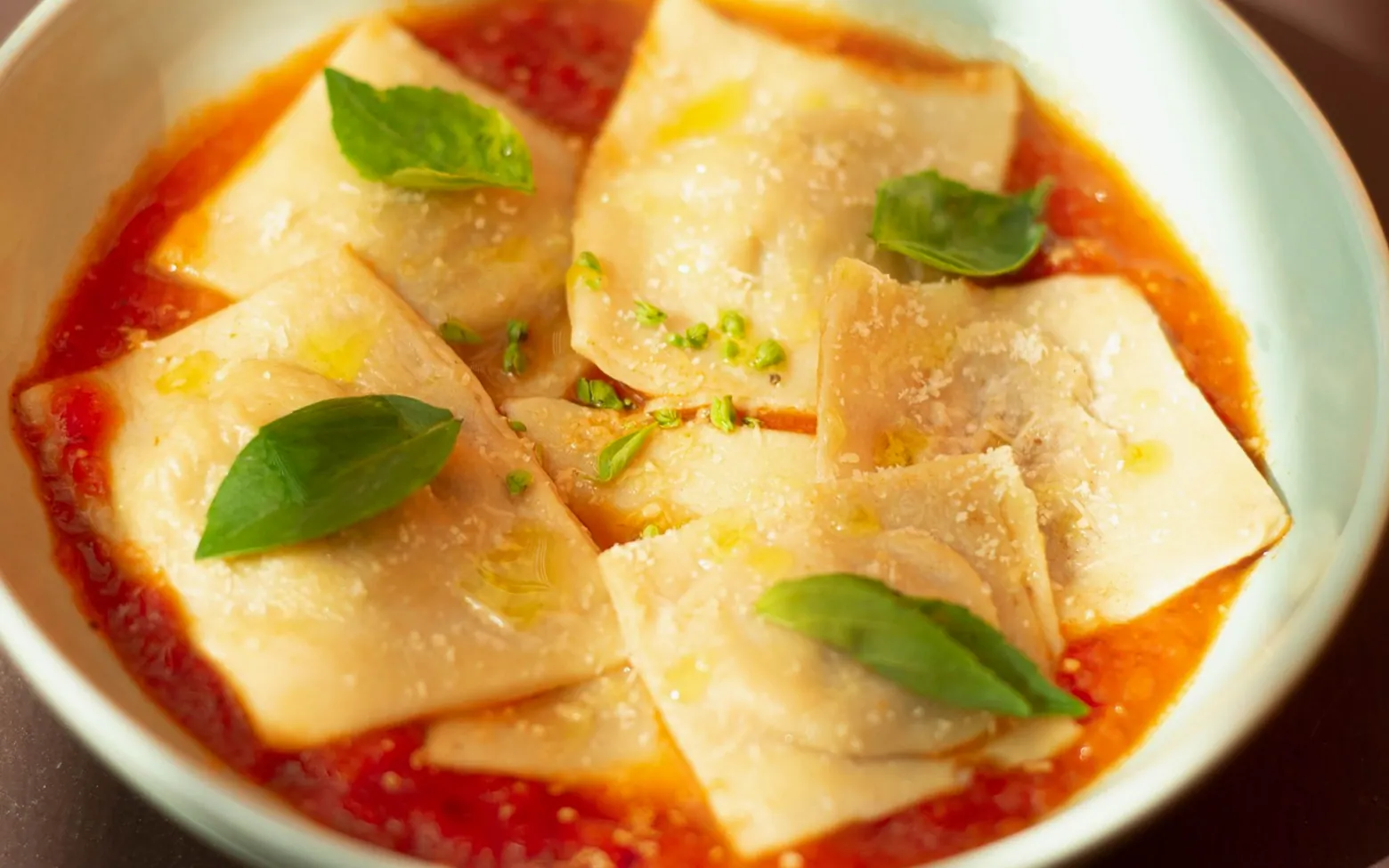
Fresh filled pasta is one of those dishes guests remember, and one of those jobs kitchen teams dread when every parcel is crimped by hand. A countertop ravioli machine sits between those two realities. Chosen well, it frees cooks for finishing and plating; chosen badly, it becomes a bulky appliance that spends more time being cleaned than used.
Begin with the menu, not the catalogue
Write down how filled pasta appears on your menu today and how you would like it to appear. A single signature ravioli on a set menu is a very different workload from a rotating list of tortelli, agnolotti and seasonal specials. Estimate portions per service, then think about prep rhythm: do you make one large batch in the morning and freeze, or several small batches through the day? The answers point either toward a compact unit or toward something with continuous feed and higher hourly output.
Features that make a difference on the line
| Feature | Questions to ask |
|---|---|
| Sheet width and thickness | Can it take your existing dough sheets, and how fine can it go without tearing? |
| Filling system | Does it handle dense ricotta mixes as well as chunkier meat or vegetable fillings? |
| Interchangeable moulds | What range of shapes is offered, and is changing between them a two-minute job or a twenty-minute one? |
| Materials | Are food-contact parts stainless steel or approved food-grade plastics? |
| Cleaning | Which parts come apart without tools, and are any dishwasher-safe? |
The Italian benchmark
Italian kitchens have refined pasta equipment for generations, and many chefs look to Italian makers when they want a dependable raviolatrice professionale. These machines are typically built for daily commercial use, with sturdy frames, a choice of moulds and automatic sheet feeding that keeps each ravioli consistent in weight and seal. For a restaurant that wants handmade character at a steadier pace, that combination is a strong reason to start a shortlist there.
Space, power and people
Measure the bench where the machine will live, including clearance for loading dough and catching finished pasta. Check the electrical supply it needs and whether the motor noise suits an open kitchen. Then consider who will run it. A machine that only one chef understands creates a bottleneck; one that a trained commis can operate safely spreads the work. Ask suppliers about training, manuals in your staff's language and how the guards and emergency stop work.
Thinking beyond the purchase price
- Availability of spare parts and moulds in the years ahead.
- Service response times if the machine stops mid-week.
- Warranty terms and what counts as normal wear.
- Energy use and the labour time it realistically saves.
If possible, bring your own dough and filling along to a supplier demo. Watching the machine handle your recipe, rather than a showroom mix, is the most honest test of whether it belongs in your kitchen.
House standards
Lines we do not cross in an article
A handful of commitments that every piece on the weekly is held to.
Statistics, studies and quotes appear only when they can be traced to a public source; otherwise the idea is put in words.
Money, property and legal pieces explain how things usually work and say when rules differ by country.
Software steps name the version or device they were checked on whenever menus vary.
A brand mentioned in a guide illustrates the topic and is not a ranking.
Warnings sit next to the risky step, not in a footnote at the bottom of the page.